






Lycopene: Key takeaways
- Lycopene is an antioxidant derived from the skin of red fruits and vegetables such as tomatoes. [2]
- It is linked to prostate health and urinary comfort, with male test subjects showing improved prostate markers and fewer urinary complaints over time. [2][14]
- Lycopene also supports cell-, and DNA protection by helping the body reduce oxidative stress, which is why it is often part of longevity routines. [1]
- Consistent lycopene intake can also support skin resilience to UV stress, with human trials showing reduced skin aging after daily use. [5] [6]
- Furthermore, it has shown promising results in heart and blood pressure support. [12] [13]


What is lycopene?
Lycopene is the deep-red pigment that makes tomatoes, watermelon and pink grapefruit look the way they do. It belongs to the carotenoid family and, in the body, it is mainly valued for its role in cellular defence: helping your system deal with oxidative stress that builds up through stress, training, travel, sun exposure and alcohol consumption. [1]
As a supplement, lycopene is usually delivered as a standardised tomato-derived extract and is typically used as a daily “foundation” ingredient for longevity and typical male health problems. [1]
Benefits
- Supports prostate health
- Supports bladder health and urinary comfort
- Supports fertility and sperm health
- Supports longevity and cellular defence
- Supports skin health and sun protection
- Supports heart health and blood pressure
Supports prostate health
Prostate health becomes more relevant as men move through midlife, especially when hormone balance shifts and lifestyle stress adds up. Lycopene is often used here because it is concentrated in prostate tissue and is studied for how it may influence oxidative stress and inflammation pathways that matter for long-term prostate function. [3]
Read all you need to know about prostate health in our Health Guide.[14]
In a 6-month randomized, placebo-controlled trial in men with benign prostate hyperplasia (BPH), 15 mg/day lycopene was linked to improvements in PSA levels, reduced progression of prostate enlargement, and improved symptom scores compared with placebo. [2]
Zooming out, observational research also links higher dietary lycopene intake with a lower prostate cancer risk, but these studies cannot prove causality. [4]
Supports bladder health and urinary comfort
When men talk about “bladder issues”, it is often really about urinary symptoms that can come with an enlarged prostate, like weaker stream, urgency, frequency, or waking up at night. That is why prostate support and bladder comfort are closely connected in real life. [3]
Clinical evidence suggests lycopene may help in this area. In the same 6-month trial in men with BPH, lycopene supplementation was associated with improved prostate symptom scores (IPSS), which directly reflects urinary quality of life. [2] A systematic review also concluded the overall evidence is mixed and limited, but promising enough to justify further, higher-quality trials. [3]
Supports fertility and sperm health
Modern life can put fertility under pressure: stress, sleep loss, alcohol, and inconsistent nutrition all tend to push oxidative stress upward, which is one reason antioxidants are studied in male fertility. Lycopene is one of the better-known carotenoids in this space. [7]
A recent systematic review and meta-analysis found lycopene supplementation may offer modest improvements in outcomes like sperm concentration and motility, although the total number of trials is still relatively small. [7]
In a randomized, double-blind, placebo-controlled trial in infertile men with oligozoospermia, lycopene supplementation improved multiple sperm parameters and oxidative stress biomarkers versus placebo. [9]
In healthy men, a randomized placebo-controlled study using 14 mg/day lactolycopene for 12 weeks also explored semen quality outcomes, showing why lycopene has become a serious ingredient in modern fertility routines. [8]
Supports longevity and cellular defence
Longevity is not about one magic ingredient. It is about how well your body keeps defending, repairing, and staying resilient over time. Lycopene fits here because it helps protect lipids, proteins, and DNA from oxidative stress, which is one of the underlying “wear and tear” mechanisms in aging research. [1]
In a large systematic review and dose-response meta-analysis of prospective cohort studies, higher dietary intake and blood levels of lycopene were associated with a lower risk of total cancer and lower cancer mortality. [10]
Separate population data has also linked higher lycopene intake with lower mortality risk in certain analyses, though this remains observational (so it shows association, not proof). [11]
Supports skin health and sun protection
Healthy skin is not only about moisturiser and SPF. It is also about how your skin handles oxidative stress and inflammation triggered by UV exposure. Lycopene is popular for “skin from within” because it is one of the carotenoids studied for photoprotection. [5]
In a placebo-controlled, double-blind randomized crossover study, daily supplementation with a lycopene-rich tomato nutrient complex (providing 5 mg lycopene) reduced UV-induced gene expression linked to oxidative stress and photoaging pathways. [5]
Systematic reviews and meta-analyses of intervention trials also support a protective effect of tomato and lycopene-rich interventions on markers of photodamage, especially when used consistently over weeks. [6]
Supports heart health and blood pressure
Although less commonly known, lycopene shows strong evidence for supporting vascular health. When oxidative stress and low-grade inflammation build up (due to for example stress, poor sleep, heavy training or inconsistent meals), the lining of your blood vessels can become less flexible, which can increase blood pressure. Lycopene is shown to help blood vessels remain flexible and functioning smoothly.
A systematic review and meta-analysis of randomized trials found lycopene supplementation was associated with a reduction in systolic blood pressure, with stronger effects in people who already had elevated blood pressure and in studies using higher doses. [12] Another large systematic review also discusses mixed but promising effects across cardiovascular risk markers depending on dose, baseline health, and the form of lycopene used. [13]
Recommended dosage
- There is no official recommended intake for lycopene, but most research uses supplemental doses between 5–30 mg/day. [2] [5] [12]
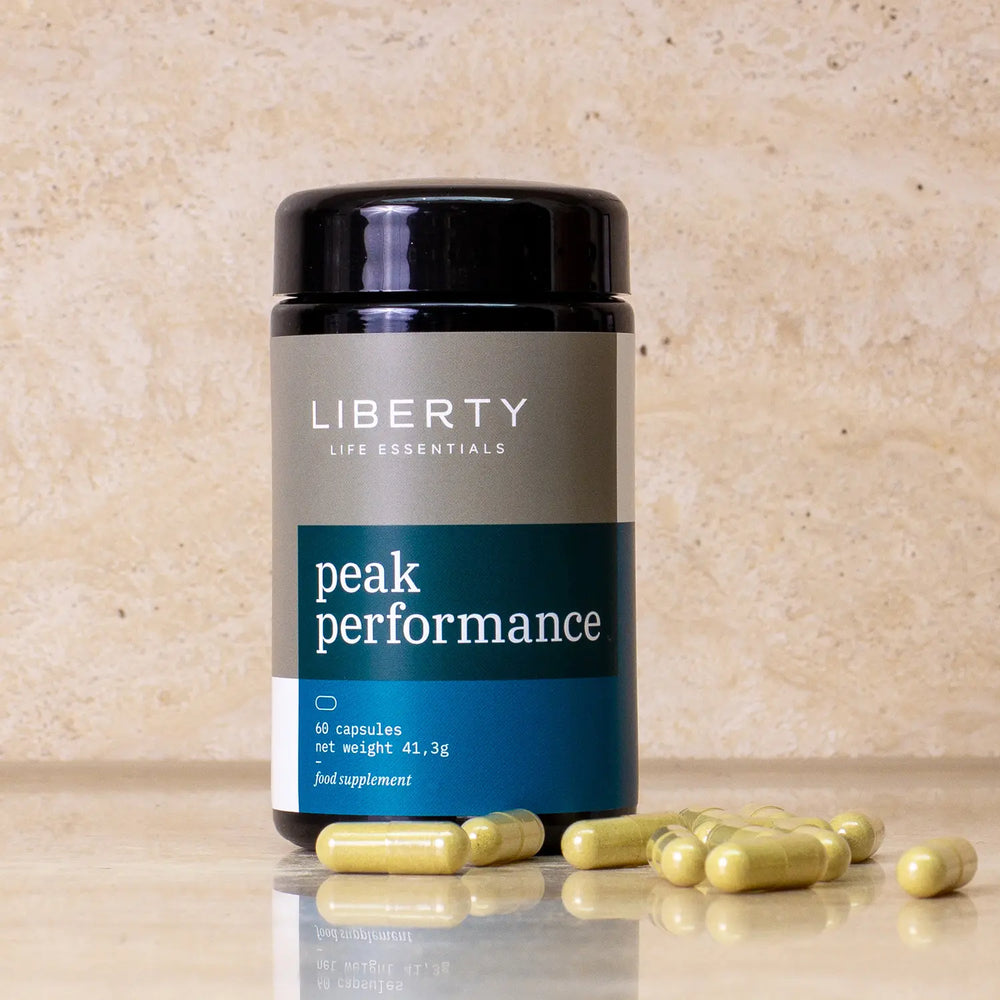
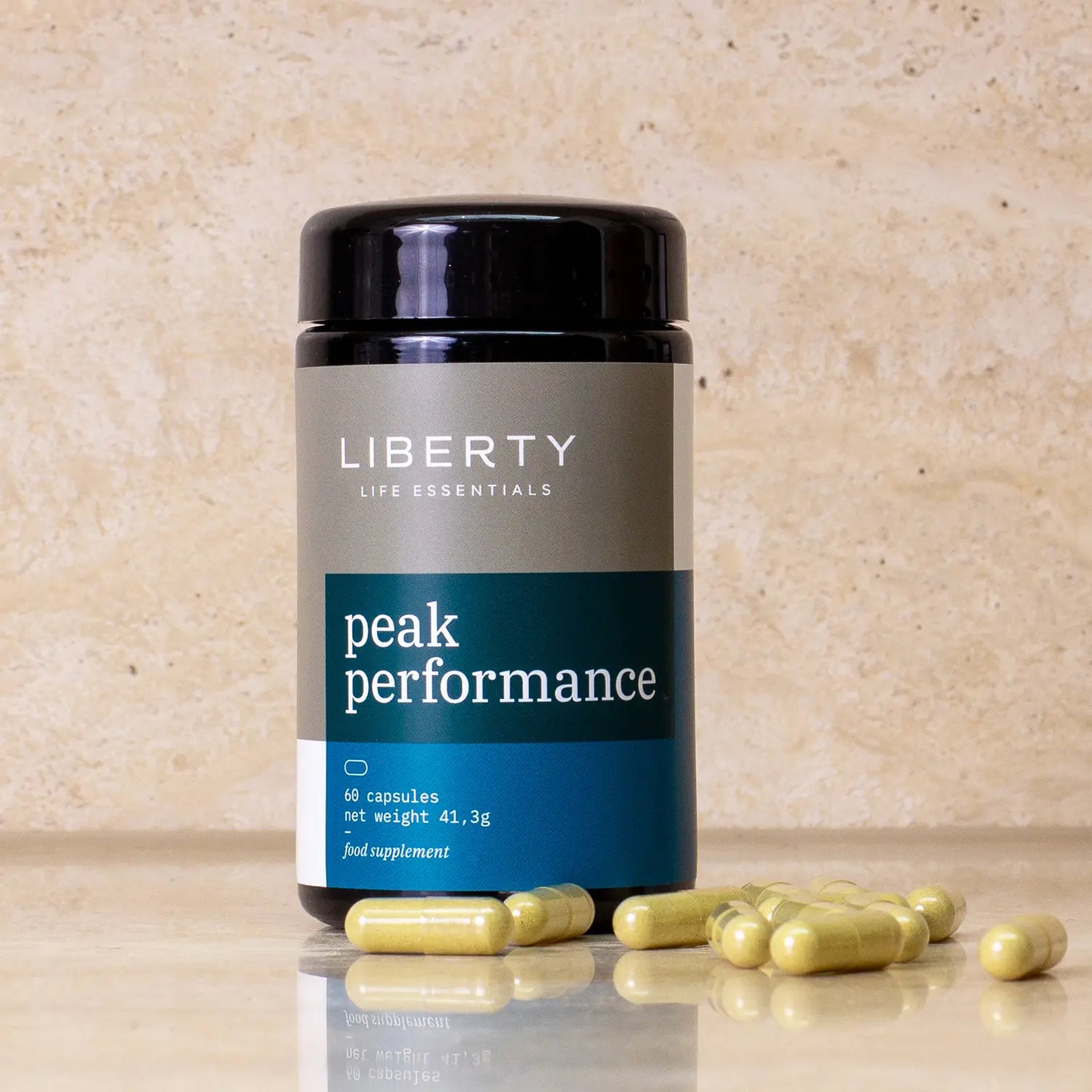
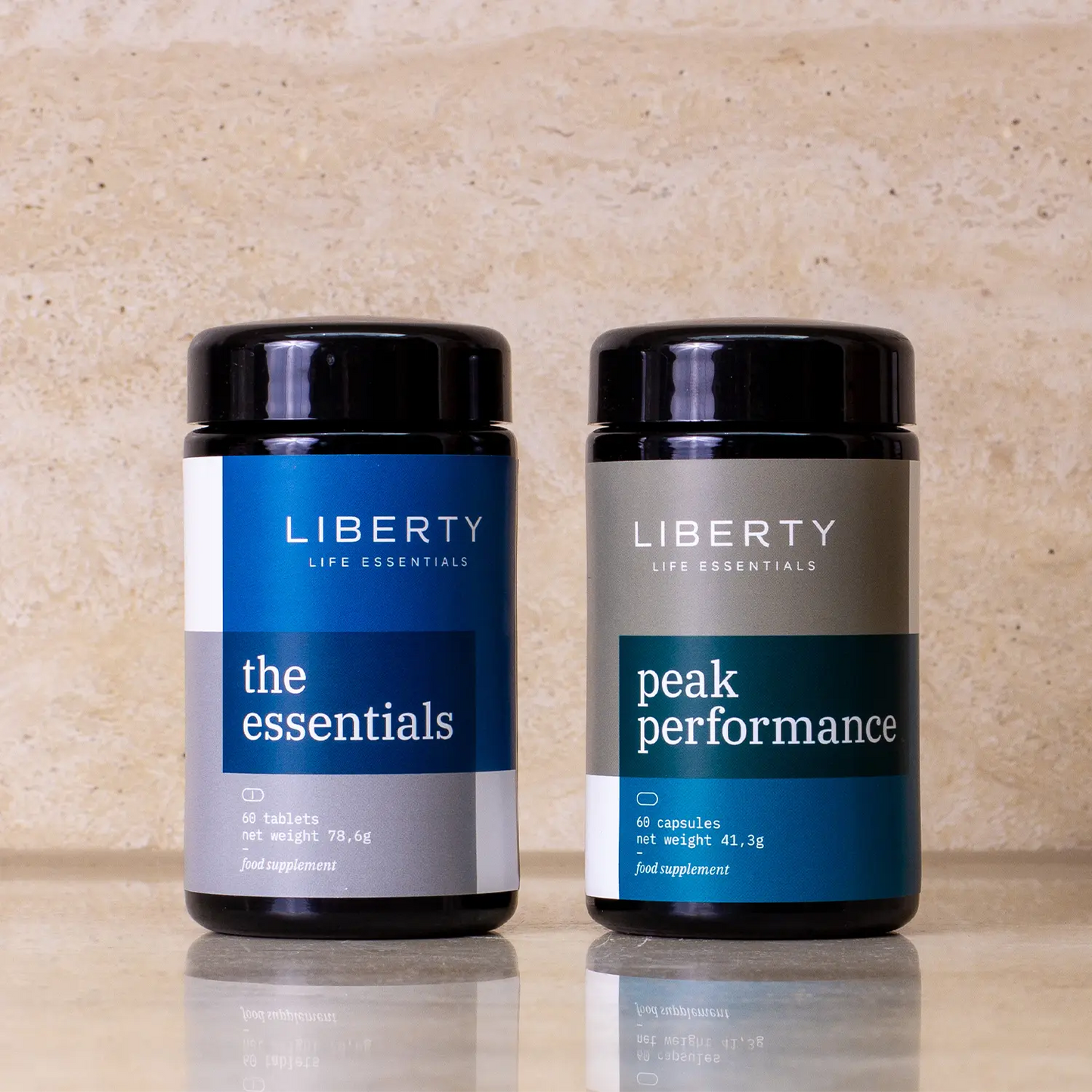
- Liberty uses 40 mg lycopene extract per daily serving in its Peak Performance supplement.
- Practical tip: take lycopene with a meal (ideally with some fat), and give it time. Most studies run for 8–12 weeks or longer. [1] [5]
Safety & interactions
- Lycopene is generally considered safe and well tolerated in human studies. [1]
- Very high long-term intakes can cause lycopenemia (a harmless orange-red skin tint) and usually resolves when intake drops. [1]
- Because lycopene impacts the heart and arteries, be cautious if you use blood pressure medication, and if you use blood thinners, check with your doctor before starting high-dose supplements. [1] [12]
- If you are pregnant or breastfeeding, or using prescription medication, it is recommended to discuss supplementation with your healthcare provider.
Is lycopene only relevant for men?
No. Lycopene is studied for skin and cardiovascular health in both men and women, while prostate health is obviously male-specific. [5] [12]
Is lycopene the same as tomato extract?
Not always. Tomato extracts can contain lycopene plus other tomato phytonutrients, while some supplements contain more isolated lycopene.
Can I get enough lycopene through diet alone?
You can get meaningful amounts through tomato-rich foods, especially cooked or processed tomato products, but supplementation makes intake more consistent on busy weeks. [1]
How long does lycopene take to work?
Most benefits are studied over weeks, not days, with common study durations around 8–12 weeks. [5] [8]
Should I take lycopene with food?
Yes. Lycopene is fat-soluble, so absorption is usually better when taken with a meal that contains some fat. [1]
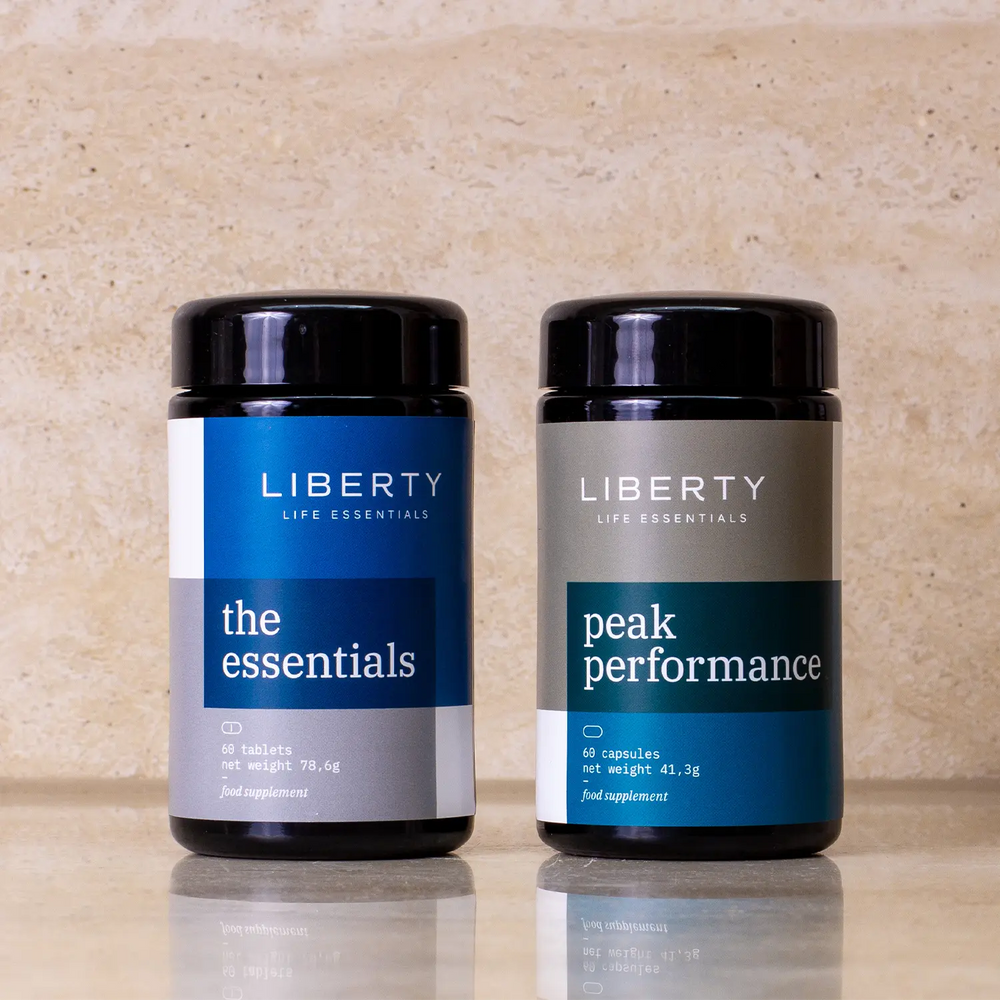
Our lycopene can be found in:




References
- Arballo J et al. - Lycopene: A Critical Review of Digestion, Absorption, Metabolism, and Excretion.
- Schwarz S et al. - Lycopene inhibits disease progression in patients with benign prostate hyperplasia
- Ilic D et al. - Lycopene for the prevention and treatment of benign prostatic hyperplasia and prostate cancer: a systematic review
- Wang Y et al. - Effect of Carotene and Lycopene on the Risk of Prostate Cancer: Systematic Review and Dose-Response Meta-Analysis
- Grether-Beck S et al. - Oral supplementation with lycopene protects human skin against ultraviolet radiation (double-blind, placebo-controlled crossover study)
- Zhang X et al. Tomato and lycopene interventions and cutaneous photodamage: systematic review and meta-analysis of intervention trials
- Viña I et al. - Association of Lycopene and Male Reproductive Health: systematic review and meta-analysis
- Williams EA et al. - Lactolycopene and semen quality in healthy males: randomized placebo-controlled trial
- Nouri M et al. - Lycopene supplementation in oligozoospermia infertile men: randomized double-blind placebo-controlled trial
- Balali A et al. - Dietary tomato intake, dietary and blood lycopene levels and cancer incidence/mortality: systematic review and dose-response meta-analysis
- Xu X et al. - Dietary intake of tomato and lycopene and risk of all-cause and cause-specific mortality (population data analysis)
- Asbaghi O et al. - Lycopene Supplementation and Blood Pressure: systematic review and meta-analysis of randomized trials
- Tierney AC et al. - Effect of Dietary and Supplemental Lycopene on Cardiovascular Risk Factors: systematic review and meta-analysis
- Piers O.J. - A Brief Guide to Prostate Health: Risks, Prevention and Practical Tips