





Quercetin: Key takeaways
- Quercetin is a flavanoid, a plant compound found in the skin of foods like onions, apples, berries and tea. [1]
- Quercetin is best known as an antioxidant and its anti-inflammatory properties. [1]
- Most people get relatively small amounts (10-20mg/day) from their diet alone while average recommended daily amounts range from 50 to 150mg. Thus, a daily supplement can meaningfully contribute to daily intake. [1]
- Quercetin is a popular “training stack” supplement because it can support recovery from muscle-damaging exercise, which can complement creatine-based routines (creatine supports hypertrophy, quercetin supports recovery). [11] [12]
- Quercetin also shows promising evidence for maintaining collagen integrity in the skin (especially under stress), and cardio-metabolic markers such as blood pressure. [5] [8] [9]
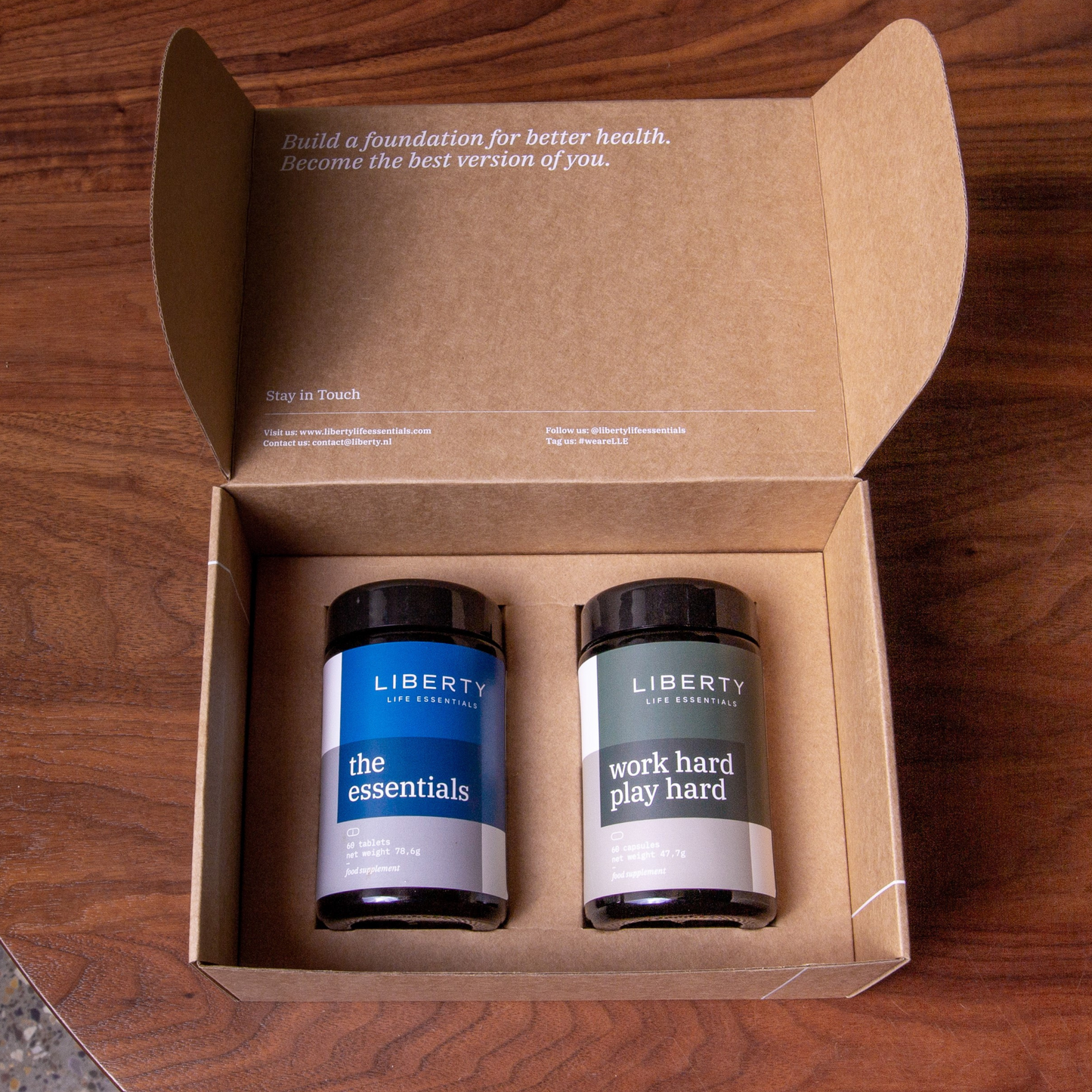
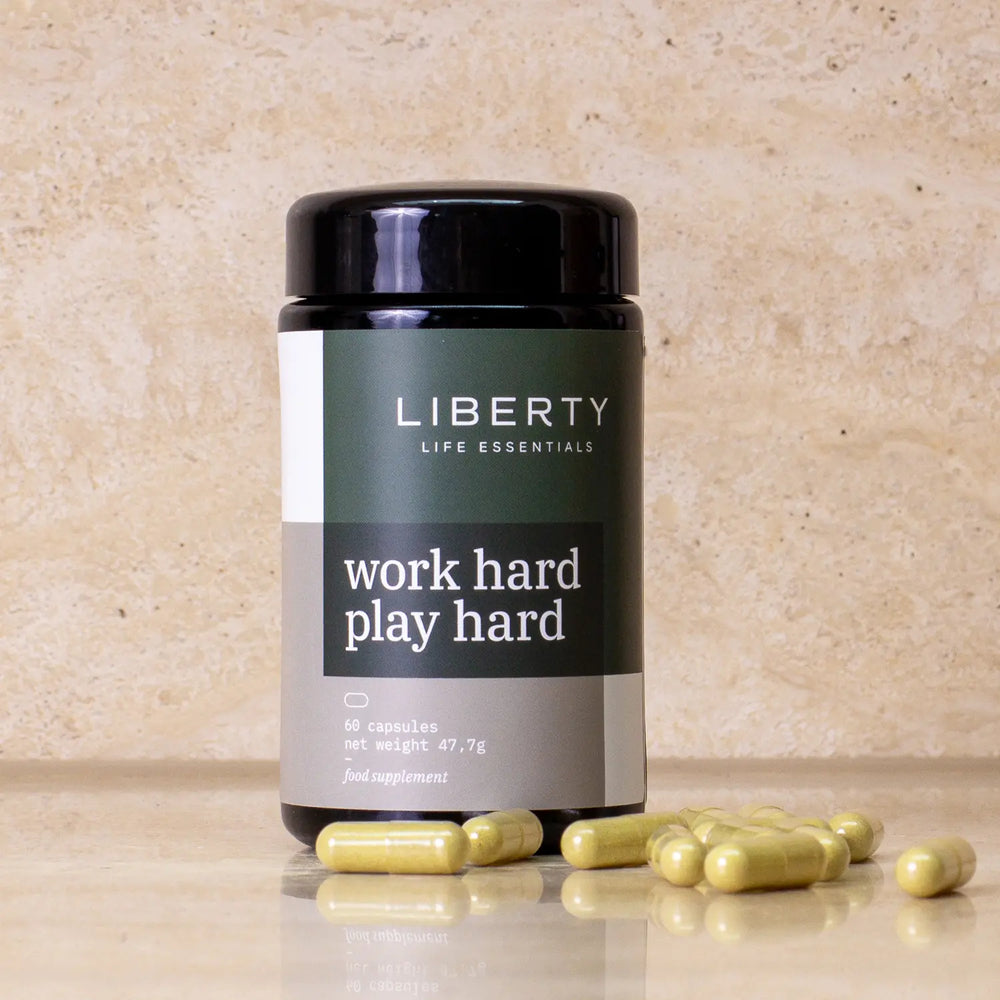
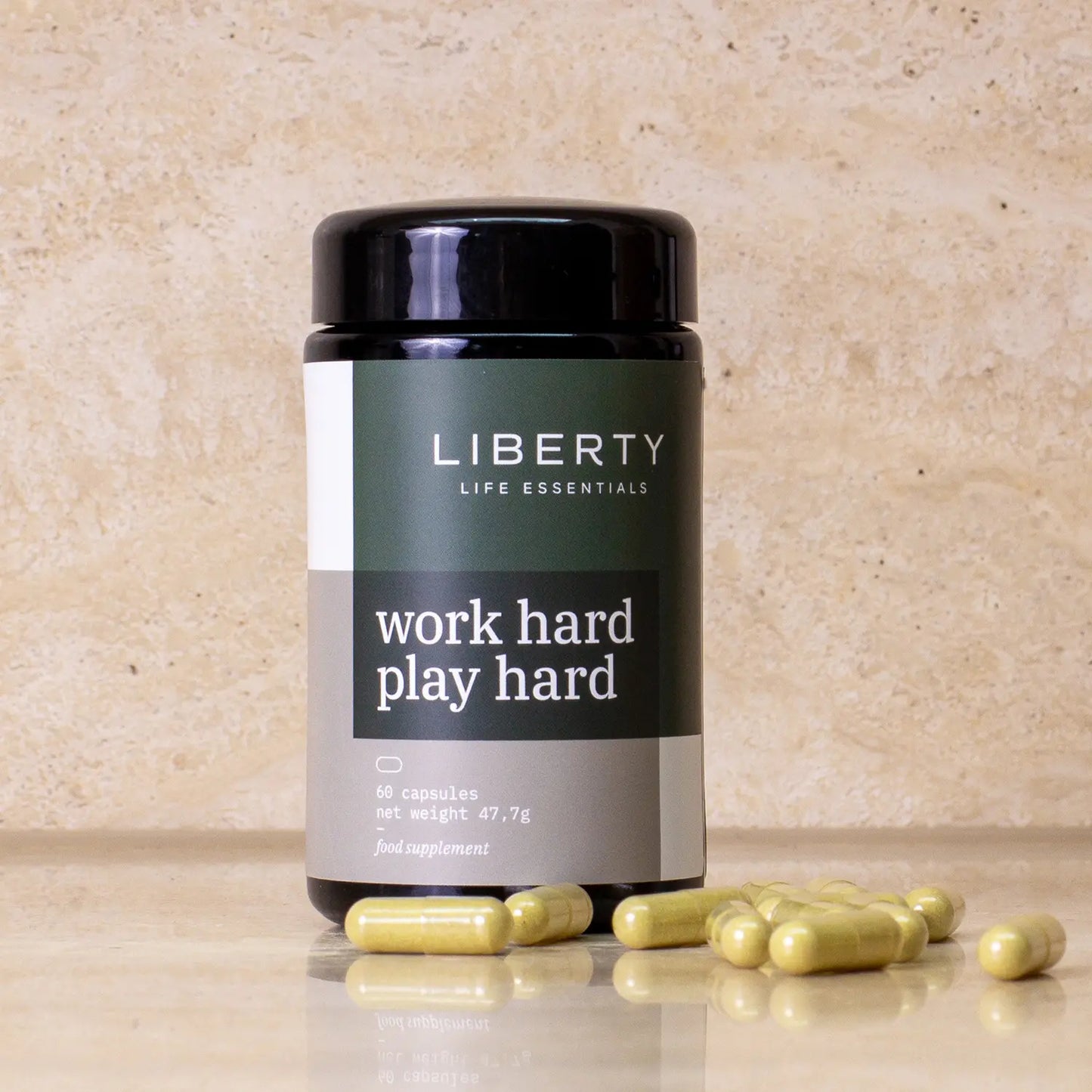
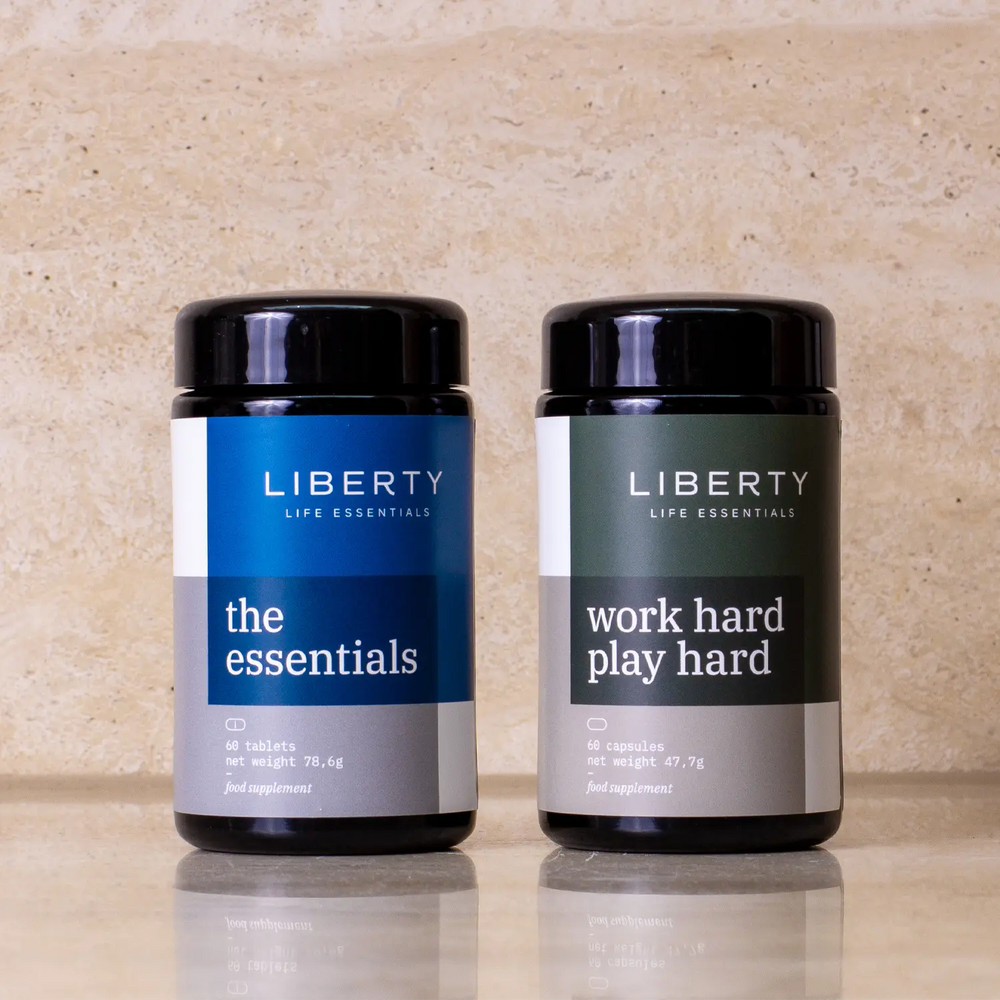
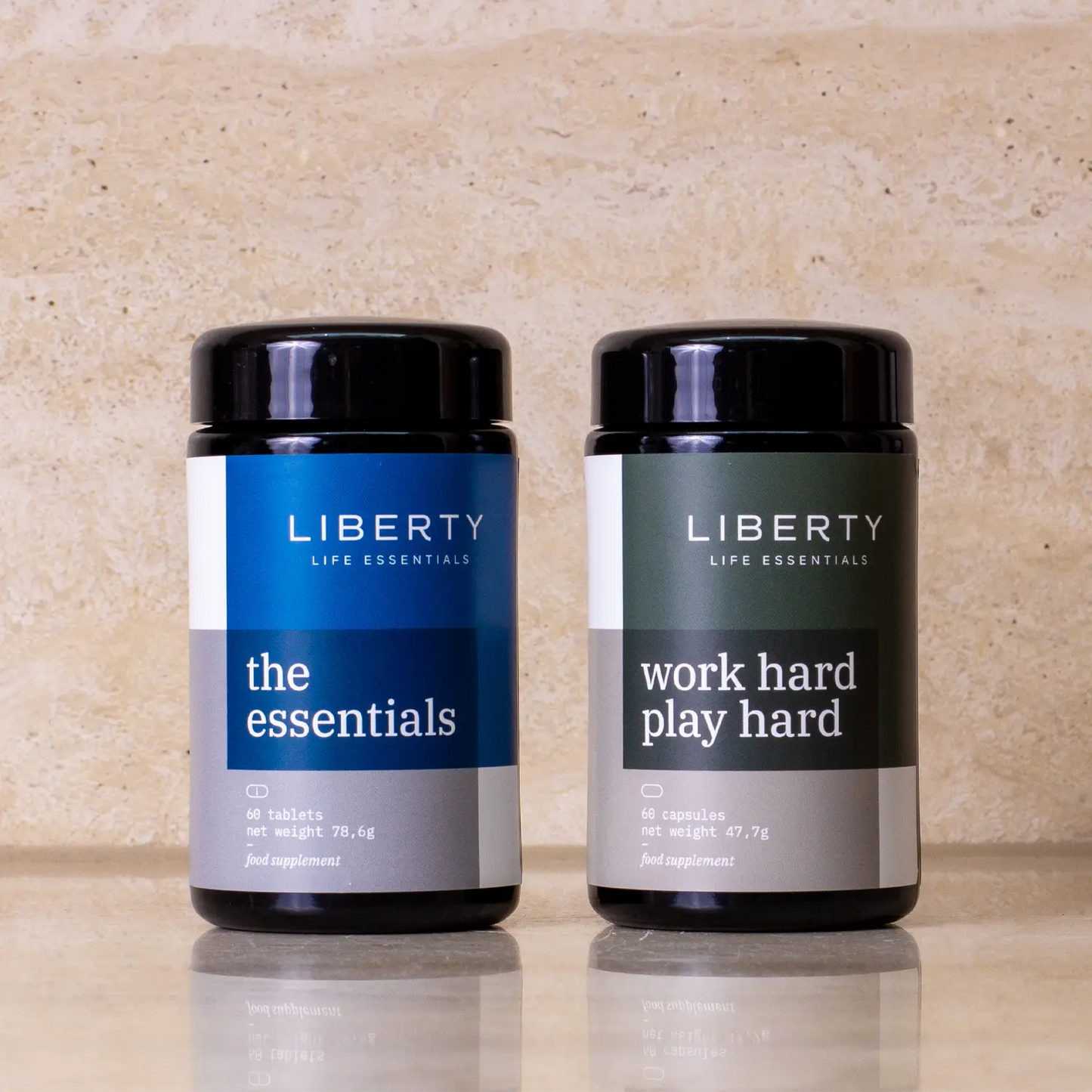
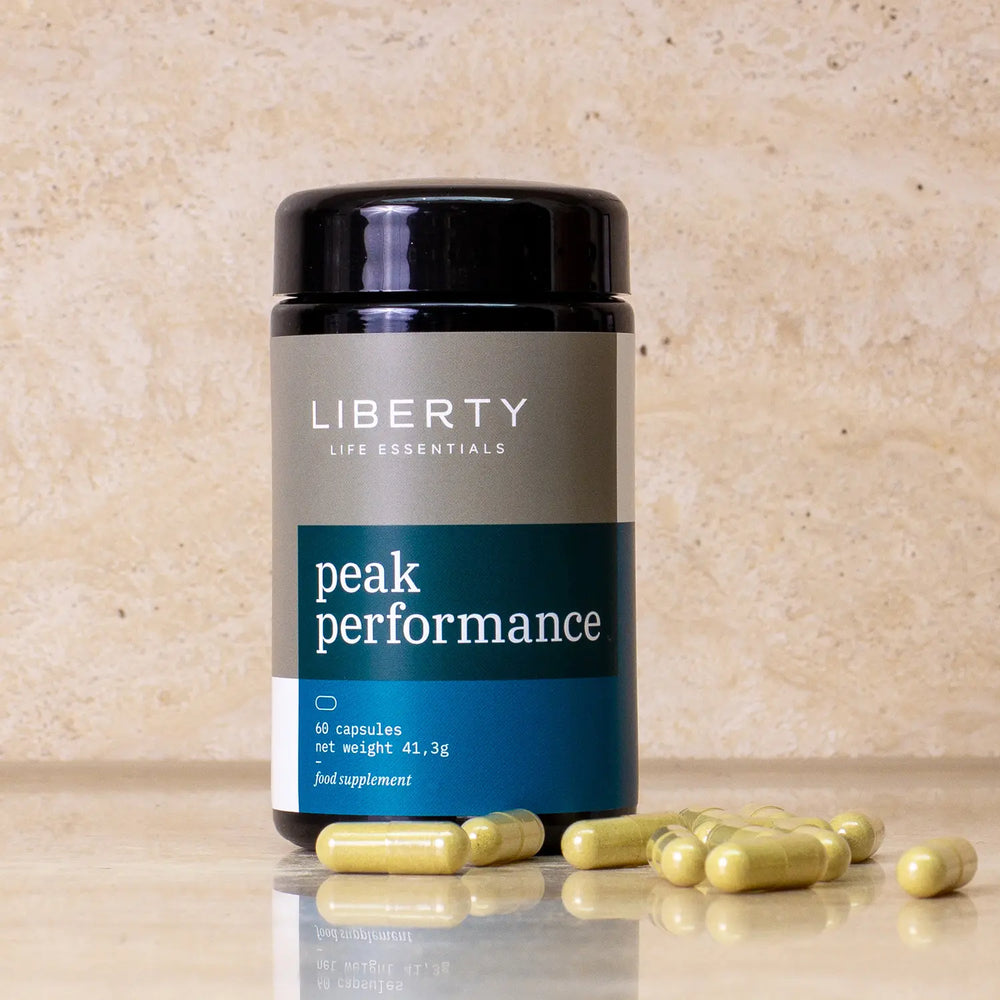
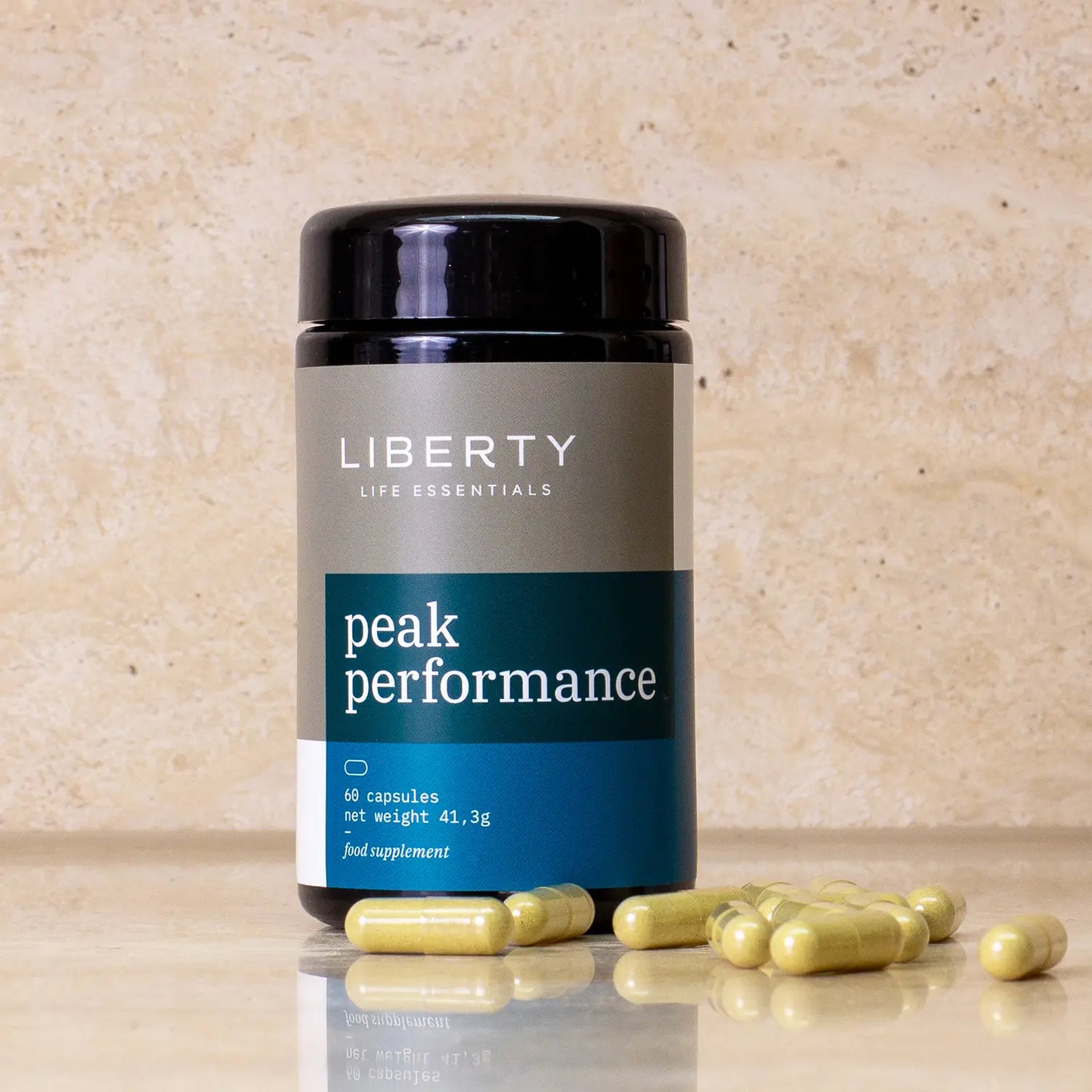
- Liberty's Work Hard Play Hard and Peak Performance supplements each contain 75 mg quercetin per daily serving. [3] [4]


What is quercetin?
Quercetin is a naturally occurring flavonoid that plants produce as part of their own protection system. Humans have consumed it for centuries through foods like onions, apples, berries, capers and tea.
In nutrition research, quercetin is one of the most studied polyphenols for it support in antioxidant defenses and anti-inflammatory properties, both relevant when when physical and mental stress levels are high (due to e.g. work stress, travel, poor sleep or hard training). [1]
Quercetin had a social media moment during the COVID period where it was often discussed for its immune support. More recently it is increasingly mentioned in longevity discussions for its senolytic* potential. [13]
*A senolytic is a compound that helps clear senescent cells, which are cells that have stopped dividing but that keep sending out pro-inflammatory signals. [14]
Benefits
- A powerful antioxidant
- Supports muscle growth when taken with creatine
- Supports collagen maintenance for healthy, firm skin
- Potentially helps protect the heart and liver
A powerful antioxidant
Quercetin is best known for supporting the body’s antioxidant defenses, which helps protect the cells from oxidation and early cell death as a result of a stressful lifestyle (due to e.g. work stress, frequent travel, poor sleep, hard training or late nights). [1]
Scientific reviews describe quercetin as a widely studied flavonoid with thoroughly studied antioxidant and anti-inflammatory properties, which is the core reason it is used in modern supplement routines. [1]
Supports muscle growth when taken with creatine
Quercetin is often paired with creatine in performance routines because the two ingredients support different parts of the muscle-building process: creatine helps you train harder and build more lean mass over time, while quercetin is studied more for recovery and muscle damage support. [11] [12]
A systematic review and meta-analysis of randomized controlled trials found that quercetin supplementation can reduce markers of muscle damage and soreness after intense exercise, supporting recovery. [11] Another systematic review found creatine plus resistance training leads to small but meaningful improvements in measures of hypertrophy versus resistance training alone. [12] The realistic takeaway is that quercetin is not a "muscle builder" on its own, but supports consistency and recovery when muscle training with creatine. [11] [12]
Supports collagen maintenance for healthy, firm skin
Quercetin is commonly used in skin routines for its positive impact on collagen integrity and strength, impacting how the skin holds up under UV exposure, stress and inflammation. [8]
In a lab study using human skin tissue, quercetin reduced UV-driven signals linked to photoaging and helped prevent UV-related collagen degradation, implying that quercetin may help protect collagen structure over time. [8] This evidence is stronger for supplements that promote collagen protection (slowing breakdown) rather than “instant collagen building.” [8]
Potentially helps protect the heart and liver
Quercetin is often included in high performer health routines because cardio-metabolic markers (impacting the heart, arteries and liver) are heavily influenced by stress, sleep, diet consistency, and inflammation, which are exactly the areas that get pushed in high-performance lifestyles. [1]
A systematic review and meta-analysis of randomized trials found quercetin supplementation can reduce blood pressure. [5] For liver health, a randomized controlled trial in NAFLD reported reduced intrahepatic fat after 12 weeks of quercetin, while a recent meta-analysis also supports improvements in liver-related markers across multiple trials. [6] [7]
Recommended dosage
- There is no official recommended intake for quercetin, but most studies recommend a range between 50 and 150mg/day. [2]
- A typical Western diet is estimated to provide 10–20 mg/day. [2]
- In a human dose-ranging study, supplementing quercetin intake by 50–150 mg/day for 2 weeks increased circulating quercetin levels by ~178% to ~570%. [2]
- Liberty uses 75 mg/day, which sits right in this “top-up” window. It is several times higher than typical dietary intake and is expected to measurably raise circulating quercetin when taken consistently as part of a daily routine. [2]
- Higher standalone protocols of 500–1,000 mg/day exist, but only as short-term, targeted doses (of 4-12 weeks). [11]
Safety & interactions
- Quercetin is generally well tolerated in human studies, but long-term high-dose use (1000mg<) deserves caution because extended-duration safety data is limited. [16]
- Quercetin has potential interaction pathways (including drug transporters and metabolism), so always check with your doctor if you use prescription medication, especially anticoagulants or immunosuppressants. [16]
- If you are pregnant or breastfeeding, consult a medical professional before use. [16]
Why is quercetin so popular on social media?
It trended during the COVID period as part of “immune support” routines and is now heavily discussed for its longevity and cell health support. [13]
Is quercetin better from food or supplements?
As with any supplement, natural food sources are always the better source of quercetin. However, given the small amount of quercetin consumed via the average daily diet, a supplement is an easier and more stable alternative. [1]
Does quercetin improve sleep?
Some trials show improved sleep quality in certain groups, while others show no effect, so it appears context dependent. [9] [10]
Does quercetin help build muscle?
No, quercetin is better viewed as a recovery-support ingredient. The “muscle growth” angle mainly makes sense when it helps you recover and stay consistent with training, especially alongside creatine. [11] [12]
Is quercetin good for heart health?
Meta-analyses suggest it can modestly reduce blood pressure, but it does not replace lifestyle fundamentals or medical care when needed. [5]
Can I take quercetin daily?
Daily use is common in studies, but it is best to stick to label directions and avoid stacking multiple high-dose quercetin products. [12]
Our quercetin can be found in:






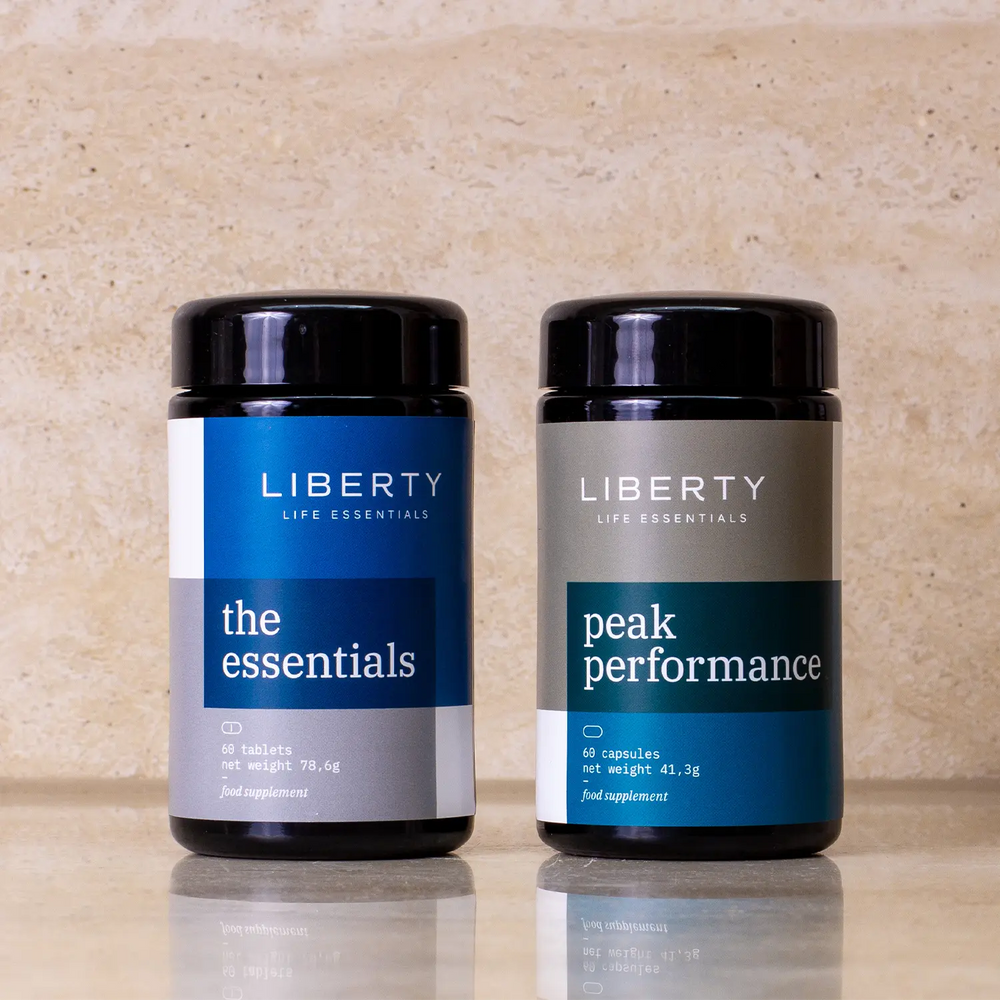
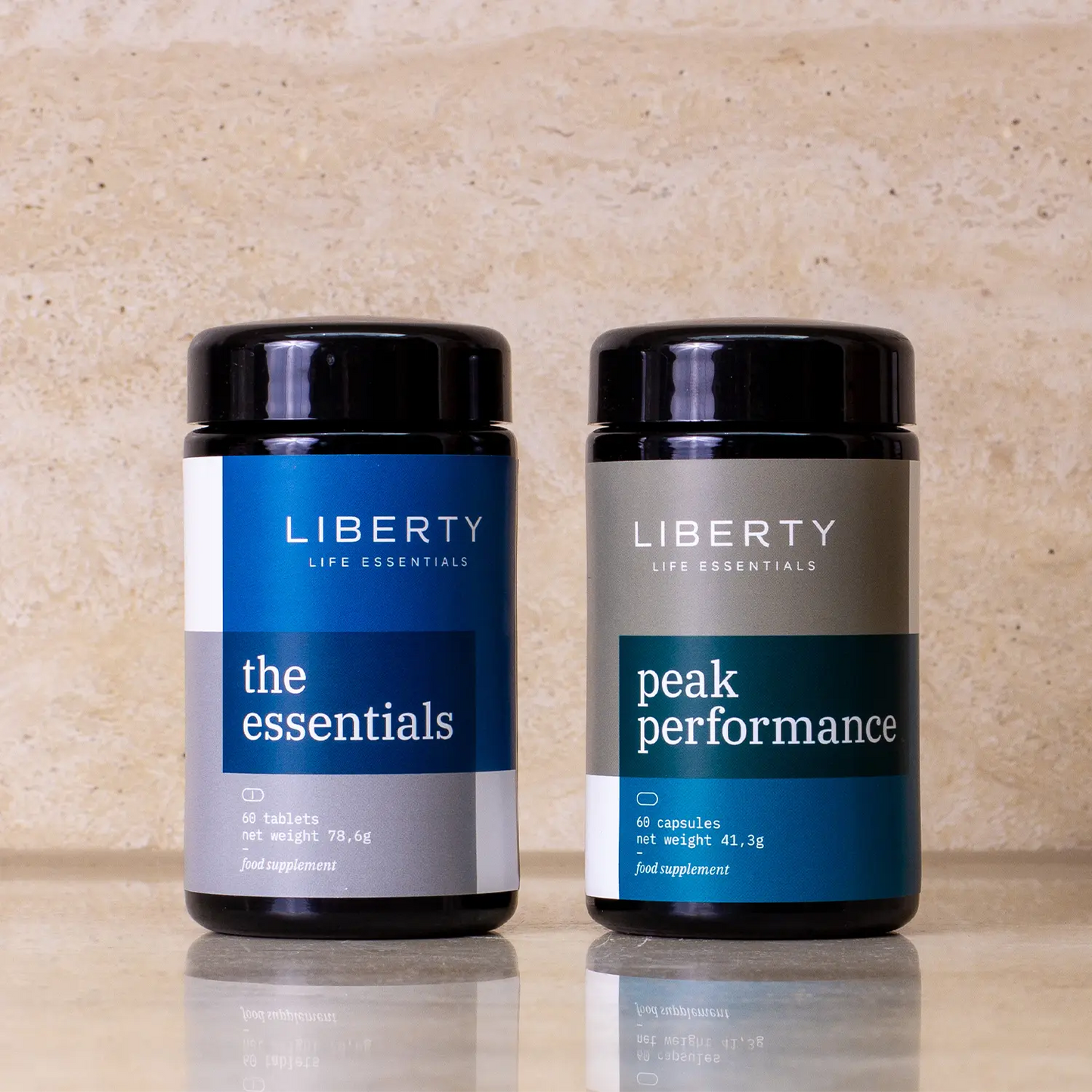


References
- Li Y et al. - Quercetin, Inflammation and Immunity
- Egert S et al. - Daily Quercetin Supplementation Dose-Dependently Increases Plasma Quercetin Concentrations in Healthy Humans
- Liberty Life Essentials- Nutritional Information label, Work Hard Play Hard (per 2 capsules, quercetin 75 mg)
- Liberty Life Essentials - Nutritional Information label, Peak Performance (per 2 capsules, quercetin 75 mg)
- Serban MC et al. - Effects of Quercetin on Blood Pressure: A Systematic Review and Meta-analysis of Randomized Controlled Trials
- Li NC et al. - Quercetin intervention reduced hepatic fat deposition in patients with nonalcoholic fatty liver disease: a randomized, double-blind, placebo-controlled trial
- Jin D et al. - Effects of Quercetin on Metabolic Dysfunction-Associated Steatotic Liver Disease: a systematic review and meta-analysis
- Shin EJ et al. - Quercetin Directly Targets JAK2 and PKCδ and Prevents UV-Induced Photoaging in Human Skin
- Rondanelli M et al. - Two-month period of 500 mg lecithin-based delivery form of quercetin (fatigue and sleep outcomes, PSQI)
- Bigelman KA et al. - Effects of 6 weeks of quercetin supplementation on energy, fatigue, and sleep quality in young adults during military training
- Rojano-Ortega D et al. - Quercetin supplementation promotes recovery after exercise-induced muscle damage: a systematic review and meta-analysis of randomized controlled trials
- Burke R et al. - The Effects of Creatine Supplementation Combined with Resistance Training on Regional Measures of Muscle Hypertrophy: A Systematic Review with Meta-Analysis
- Andres S et al. - Safety Aspects of the Use of Quercetin as a Dietary Supplement
- Günalan E et al. - Google Trends analysis of biologically based therapies during COVID-19 (includes quercetin search trends)
- Kirkland JL et al. - Senolytic drugs: from discovery to translation.