





The concept of Longevity has rapidly gained popularity in recent years. Simply put, it means living a long life, but it's about more than just reaching an old age. It’s about adding quality to your years, ensuring they are vibrant, active, and fulfilling.
The increased public interest in longevity stems from the discovery of "Blue Zones," five regions where people consistently live longer, healthier lives than average. These region, like Okinawa in Japan, and Sardinia in Italy, offer insights into how lifestyle, diet, and a sense of belonging contribute to an exceptional increase in longevity. By learning from these examples and adopting science-backed habits, we can all take steps toward a longer, healthier life.
This health guide explores what longevity is, how scientists understand the biology of aging and how to incorporate this knowledge into daily life.
What Is Longevity and Why Does It Matter?
Longevity is another term for healthy aging. It’s about living a long life while maintaining good physical, mental, and emotional health. Scientists often define longevity as a combination of the following:
-
Lifespan: Total years a person lives.
-
Healthspan: Years lived in good health, free from chronic disease.
The World Health Organization (WHO) reports the global average lifespan is 73 years, while the average healthspan is only 63 years. This means many people spend their final decade battling health problems. The longevity movement aims to close this gap by ensuring those extra years are worth living.
Much of what promotes longevity is determined at the cellular level. Aging occurs when oxidative stress and inflammation damage our DNA and chromosomes, reducing the efficiency of cell repair and regeneration. This is a complex process known as cellular aging. By slowing these processes through diet and lifestyle, we increase our chances to live a longer, healthier life.
The Hallmarks of Aging
In a landmark 2013 paper called "The Hallmarks of Aging" and its 2023 follow-up paper, López-Otín et al. proposed twelve hallmarks that drive aging at the molecular and cellular level, namely:
-
Genomic instability & telomere shortening: Over time, your DNA gets little “hits” of damage and the protective caps on the ends of your chromosomes (telomeres) slowly wear down. If this damage piles up, cells don’t work or divide as well.
-
Epigenetic changes & protein quality control: Your cells read your DNA using “on/off switches”. With age, those switches can get messy, so the wrong genes are turned on or off. At the same time, your cells get worse at folding and cleaning up proteins, so more “misfolded” or damaged proteins start to clutter things up.
-
Slower cellular recycling & confused nutrient sensing: Cells normally recycle worn-out parts and use clever sensors to decide what to do with incoming food (store, burn, repair). With age, that recycling system clogs up and those nutrient sensors send fuzzier signals, which can lead to weight gain, poorer energy use and slower repair.
-
Mitochondrial dysfunction: Mitochondria are your cell’s power plants. As you age, they become less efficient and create more “exhaust fumes” in the form of reactive molecules that can damage cells.
-
Cellular senescence and stem cell exhaustion: Some cells stop dividing but don’t die; they simply hang around sending out emergency signals. Known as senescent cells, they take unnecessary energy away from where it matters. At the same time, your pool of stem cells (the ones that repair and replace tissue) shrinks and gets less active, so recovery and regeneration slow down.
-
Altered intercellular communication, chronic inflammation and dysbiosis: Cells constantly send messages to each other and to your immune system. With age, that communication gets noisier, low-grade inflammation becomes the default setting, and the gut microbiome can shift out of balance. Together, this keeps the body in a constant “on edge” state that speeds up aging if left unchecked.
These hallmarks interact with each other. For example, mitochondrial dysfunction and chronic inflammation can fuel genomic instability and cellular senescence, which in turn worsen inflammation. The goal of longevity science is not to “stop” aging, but to slow the deterioration of these hallmarks so as to stay healthier for longer.
In Blue Zones, people tend to remain active and independent well into their eighties and nineties. Their lifestyle habits, like regular movement, strong community ties and simple, plant rich diets, appear to protect several hallmarks at once, which helps explain their healthy aging.
Lessons from Blue Zones: The Secrets to a Long Life
The five Blue Zones are specific regions in Italy, Japan, Greece, California and Costa Rica where people live significantly longer and healthier lives compared to the global average. Several common lifestyle characteristics seem to contribute to their residents' exceptional longevity. These habits show that longevity is not about extreme bio-hacks, but consistent, healthy choices that support the biology of aging.
-
Plant-based diets: Meals are varied and rich in vegetables, legumes and whole grains, with minimal processed or animal based foods. This pattern provides fibre, antioxidants and healthy fats that help reduce oxidative stress and chronic inflammation, both linked to several hallmarks of aging.
-
Moderation in eating: The “80 percent rule”, stopping when about 80 percent full, helps prevent overeating, supports stable blood sugar and may benefit nutrient sensing pathways such as insulin and mTOR signalling, which are central to aging biology.
-
Regular, low-intensity activity: Daily movement, such as walking, gardening or manual work, is built into daily life for as long as physically possible. Regular moderate exercise is associated with better cardiovascular health, improved mitochondrial function and lower levels of chronic inflammation, all of which influence several hallmarks of aging.
-
Strong social connections: Close family bonds and supportive communities reduce stress and foster emotional well being. Long running cohort studies show that social connection is strongly linked to both lifespan and healthspan, partly through lower stress hormone levels and better immune function.
-
Stress management: Practices like taking regular breaks, napping or light spiritual practices help minimize chronic stress. Lower stress translates into lower cortisol and less oxidative damage, which may protect DNA stability and delay cellular senescence.
-
Sense of purpose: A reason to get up each morning, called "ikigai" in Okinawa, boosts emotional and mental health.
Simple Steps to Improve Your Own Longevity
Our learnings from the Blue Zones show that healthy aging doesn’t require drastic changes. Small, consistent habits can make a big difference. Here are actionable, science-backed steps to improve your longevity:
-
Follow a Plant-Based Diet
Eat a plant based or Mediterranean style diet rich in fruits, vegetables, whole grains, nuts and healthy fats. Limit processed foods and keep portion sizes in check. A large modelling study in The Lancet estimated that shifting from a typical Western diet to a more plant based pattern could add up to ten years to life expectancy, depending on age and sex.
Such diets provide antioxidants and anti inflammatory compounds that help reduce oxidative stress and chronic inflammation, two key processes underlying genomic instability, mitochondrial dysfunction and chronic inflammation as hallmarks of aging.
-
Stay Physically Active
Exercise is essential not only for maintaining muscle mass and healthy body composition, but also for bone density and cardiovascular health. The WHO recommends at least 150 minutes of moderate intensity aerobic activity per week for adults, plus muscle strengthening activities on two or more days.
Regular exercise has been shown to:
-
Improve mitochondrial function
-
Enhance insulin sensitivity and nutrient sensing
-
Reduce chronic low grade inflammation
All three touch core hallmarks of aging and are strongly linked to better health outcomes in later life.
Low intensity activities like yoga, walking or gardening are excellent for long term health and often easier to maintain than only high intensity workouts.
-
-
Prioritize Sleep
Sleep is crucial for physical and mental recovery. Poor sleep has been linked to increased risks of cardiovascular disease, obesity and cognitive decline. Reviews in Nature Reviews Neuroscience highlight that sleep supports DNA repair, removal of metabolic waste products from the brain and regulation of metabolic and immune pathways.
Adults should aim for 7 to 9 hours of sleep per night. Consistent, good quality sleep supports genomic stability, healthy brain aging and balanced nutrient sensing.
-
Reduce Chronic Stress
Stress accelerates aging by increasing cortisol and other stress mediators that damage cells over time. Chronic stress is associated with shorter telomeres and higher levels of inflammatory markers, both tied to the hallmarks of genomic instability, cellular senescence and chronic inflammation.
Techniques that can help:
-
Mindfulness or breathing exercises
-
Short, regular breaks throughout the day
-
Time in nature
-
Setting clear boundaries between work and recovery
In Blue Zones, a slower paced lifestyle and time spent outdoors appear to play a major role in stress reduction and healthy aging.
-
-
Maintain Social Connections
Meaningful relationships boost emotional and mental health, while isolation can shorten lifespan. The Harvard Study of Adult Development has shown that strong social bonds are among the most consistent predictors of happiness and longer life.
Social connection may influence immune function, inflammation and even health behaviours, which in turn affect several hallmarks of aging.
-
Stimulate Your Mind
Activities like reading, solving puzzles, learning a language or practising a musical instrument help keep the brain active. Lifelong learning and mentally stimulating activities are associated with a lower risk of cognitive decline and dementia.
At a biological level, cognitive stimulation supports neuroplasticity and may counteract aspects of cellular senescence and loss of proteostasis in the brain.
Top Supplements for Supporting Longevity
Besides vitamins and minerals, certain supplements can support longevity by improving cellular health and combating cognitive decline. While they can’t replace a healthy lifestyle, they complement good habits. Recommended supplements include:
-
Omega-3 Fatty Acids: Found in fish oil, Omega-3 supports heart and brain health while reducing inflammation.
-
Quercetin: A powerful antioxidant, quercetin reduces oxidative stress and inflammation, key drivers of cellular aging. Read more...
-
Curcumin: The active ingredient in turmeric, curcumin protects cells from damage through its anti-inflammatory properties.
-
Bacopa Monnieri (Brahmi): This adaptogenic herb enhances cognitive health, memory, and reduces oxidative stress. Read more...
-
NMN (Nicotinamide Mononucleotide): Boosts NAD+ levels, which are essential for DNA repair and energy metabolism. Several studies suggest NMN may slow cellular aging and enhance longevity.
-
Lycopene: A potent antioxidant found in tomatoes, lycopene reduces risks of chronic diseases, benefits prostate health and protects the skin from UV damage. Read more...
-
Coenzyme Q10 (CoQ10): Critical for cellular energy production and acts as an antioxidant. Studies link CoQ10 to cardiovascular health and reduced oxidative damage.
These supplements, when paired with a balanced diet and active lifestyle, can enhance your efforts toward healthy aging. They’re most effective as part of a comprehensive approach to longevity.
Conclusion
Longevity is about more than adding years to your life. It is about ensuring those years are vibrant, fulfilling and as free from chronic disease as possible.
Modern aging research shows that the process of aging is driven by a set of twelve interconnected biological changes known as the hallmarks of aging. These hallmarks include DNA damage, telomere shortening, epigenetic changes, impaired protein and nutrient handling, mitochondrial dysfunction, cellular senescence, stem cell exhaustion, altered communication between cells, chronic inflammation and changes in the gut microbiome.
The encouraging news is that several small lifestyle changes can drastically improve one or more of these hallmarks:
-
Plant based, nutrient dense diets help reduce oxidative stress and chronic inflammation and support healthy nutrient sensing.
-
Regular physical activity improves mitochondrial function, insulin sensitivity and cardiovascular health.
-
Good sleep and effective stress management support DNA repair, hormonal balance and immune function.
-
Strong social ties and mental stimulation support brain health and emotional resilience.
Supplements like omega 3 fatty acids, quercetin, curcumin, Bacopa, NMN, lycopene and CoQ10 provide additional, targeted support by acting on inflammation, oxidative stress, mitochondrial function and cellular repair pathways that underlie several hallmarks of aging.
By combining these lifestyle strategies with smart, science backed supplementation, you are not just adding years to your life. You are working with the biology of aging itself to keep those years healthier, more energetic and more rewarding.
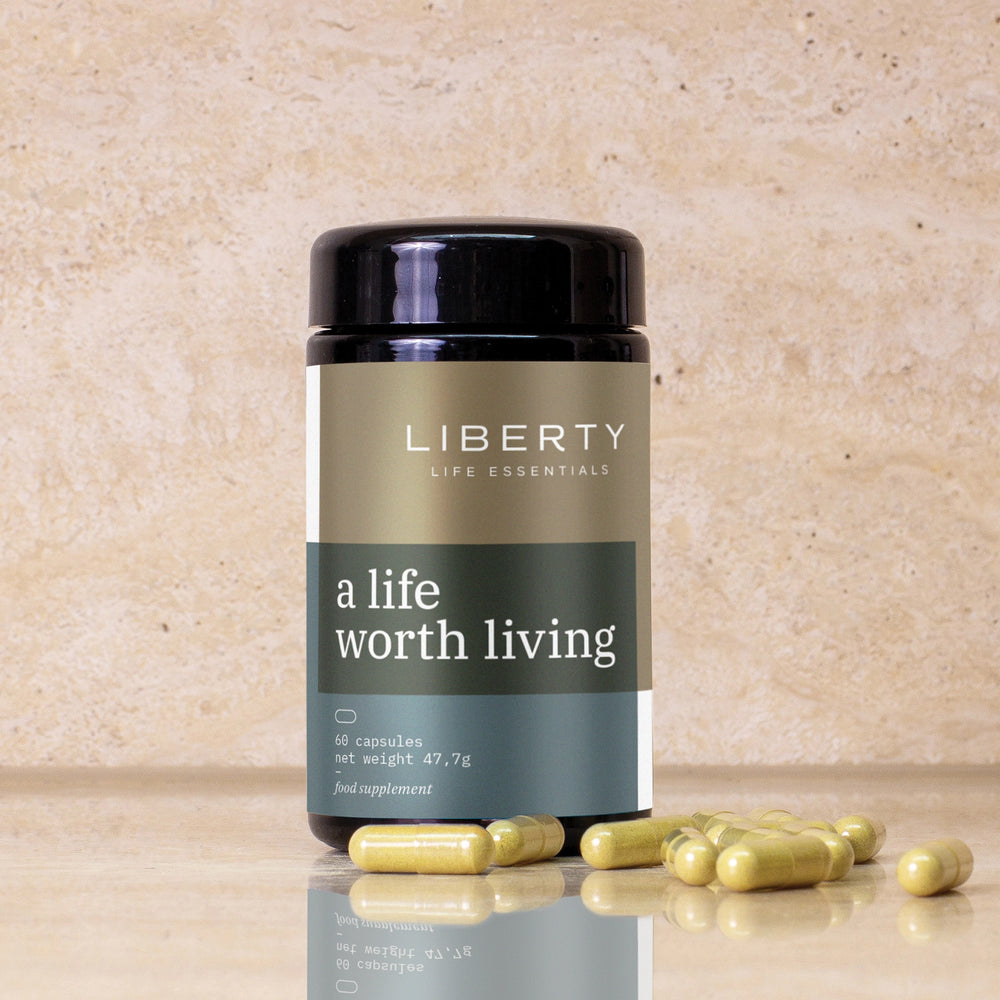
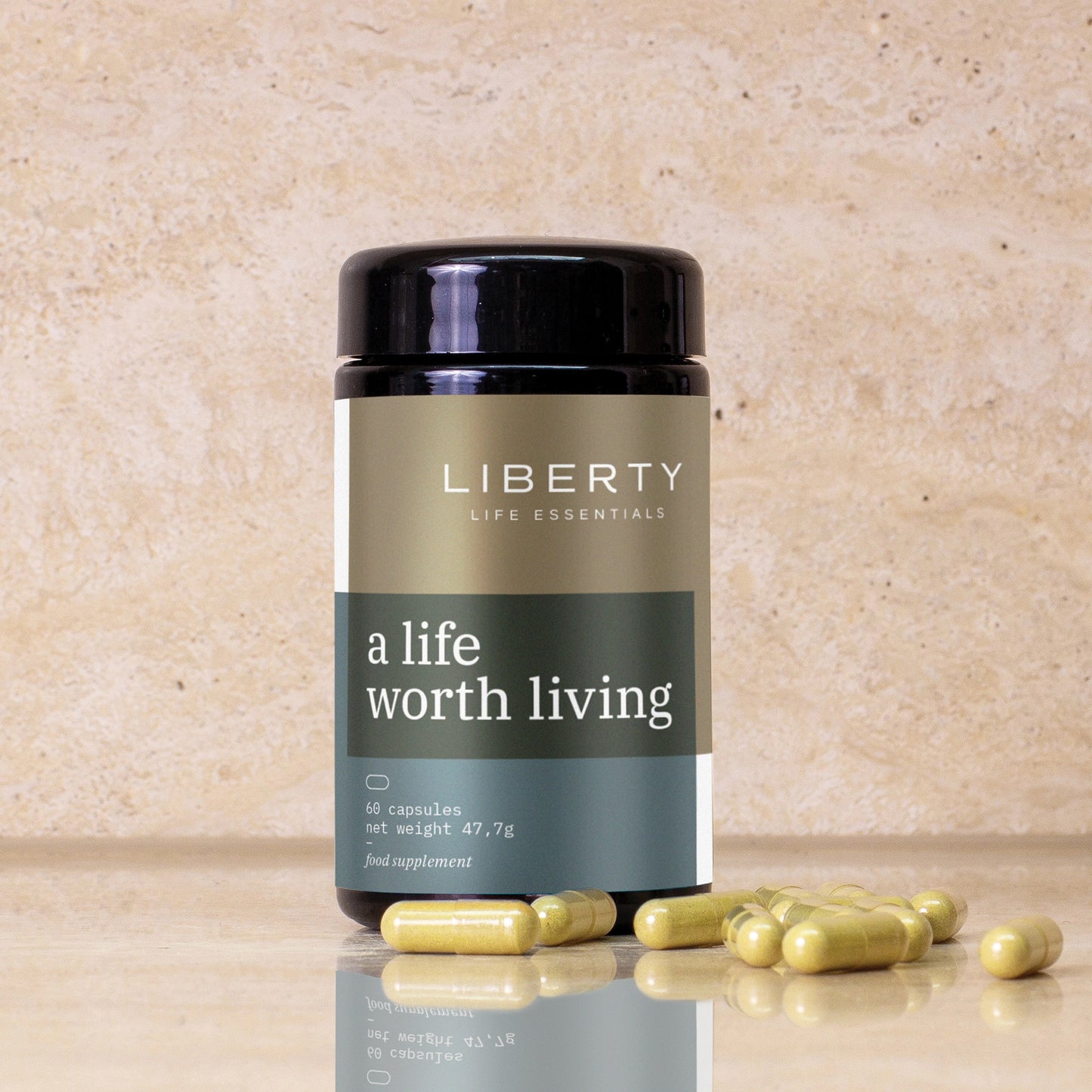
Most of the supplements mentioned in this article will be part of our soon-to-launch longevity product A Life Worth Living. Be amongst the first to hear all about it by signing up to our newsletter here.
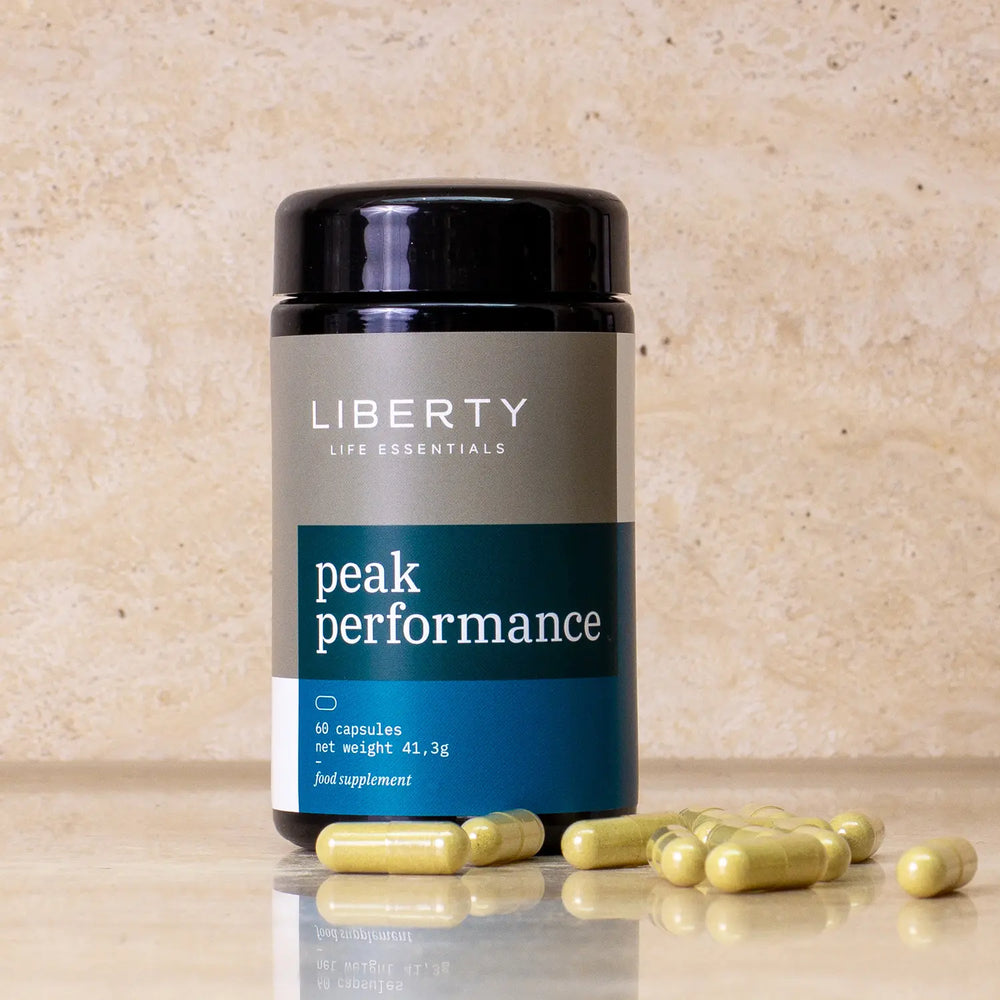
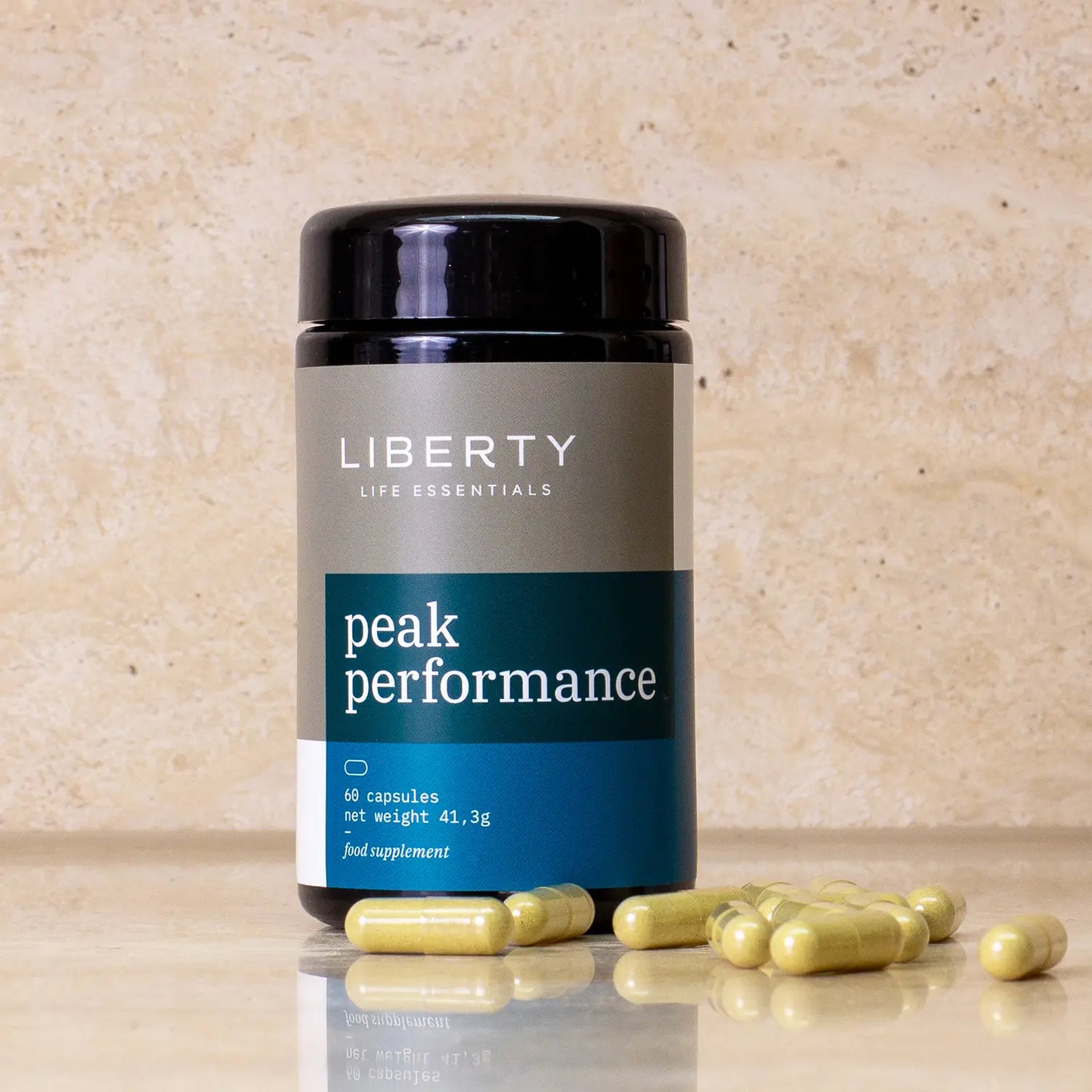
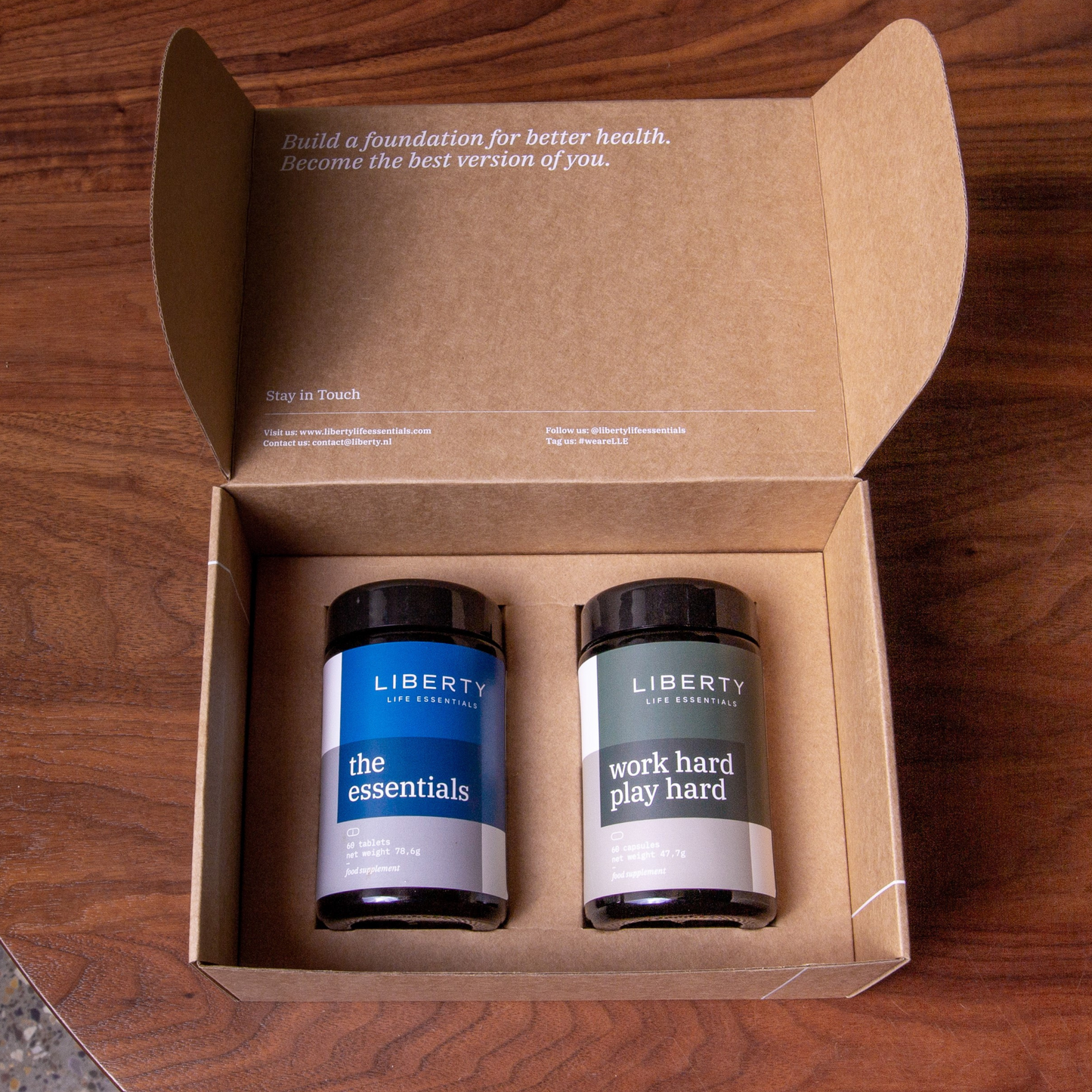
Until then, consider our Peak Performance (Physical & Cognitive Aging Support) supplement, specially developed for people at their physical and mental peak, contains the highest quality lycopene, quercetin, bacopa monnieri (Bacopin® Brahmi) and more.
Combine Peak Performance with The Essentials (containing curcumin C3 Complex®) in our Ageless Performance Bundle and save 15%!
Sources
- The hallmarks of aging – López-Otín et al., 2013, Cell
- Hallmarks of aging: An expanding universe – López-Otín et al., 2023, Cell
- Pes, G. M., & Poulain, M. (2018). Longevity and healthy aging in Blue Zones: Insights from population studies.
-
Herbert C. et al. (2022) Blue Zones: Centenarian Modes of Physical Activity
-
Buettner, D. et al. (2016) Blue Zones: Lessons From the World's Longest Lived.
-
Marston, H., et al. (2021). A Critical Review of Age-Friendly Environments in the 21st Century and Beyond
-
Melis, F., et al. (2022). Plant-based diets in Sardinia and their role in longevity
-
Reddy, P., & Lyons, T. (2019). Physical activity as a determinant of longevity in Blue Zones
-
Li, Y., et al. (2023). Nutrition and physical activity effects on sleep quality and longevity
-
The Lancet. (2019). "Food, Planet, Health: Healthy Diets from Sustainable Food Systems."
-
Nature Reviews Neuroscience. (2019). "The Role of Sleep in Regenerative Health."
-
Harvard Study of Adult Development. (2017). "The Key to Longevity: Relationships."
-
Journal of Clinical Immunology. (2020). "Curcumin’s Role in Longevity."
-
American Journal of Clinical Nutrition. (2016). "Lycopene and Reduced Disease Risk."
-
Journal of Alternative and Complementary Medicine. (2018). "Bacopa Monnieri for Cognitive Health."
- Nicotinamide mononucleotide (NMN) as an anti-aging health product – Nadeeshani et al., 2021, Aging and Disease
- Health effects of quercetin: from antioxidant to nutraceutical – Boots, Haenen & Bast, 2008, European Journal of Pharmacology
-
Nutrients. (2019). "Quercetin as an Anti-Aging Compound."
-
Panahi, Y., et al. (2024). Longevity and anti-aging effects of curcumin supplementation.
-
Calder, P. C. (2018). Omega-3 polyunsaturated fatty acids and healthy ageing. BMJ.