






Folate: Key takeaways
- Folate is vitamin B9 in its natural, active form, while folic acid is the synthetic form used in many supplements and fortified foods. [1]
- Folate has a higher bioavailability than folic acid, because folic acid has to be converted into folate before the body can use it. [1]
- Folate supports:
Hair growth and strength;
Brain functioning and memory;
Fertility and sperm quality;
Cell division and DNA repair (longevity). - Liberty uses a patented form of Quatrefolic® folate, which is commonly known as having the highest bio-availability and the most scientific reasearch backing.


What is folate?
Folate is vitamin B9, a nutrient your body needs to build and maintain healthy cells. It plays a central role in DNA production and repair, and it supports methylation, a process your body uses to regulate everything from neurotransmitters to hormone metabolism. [1]
Folate vs. folic acid
Folate is the umbrella term for naturally occurring folates in food and for active folate forms used in supplements. In the body, the main circulating and usable form is 5-methyltetrahydrofolate (5-MTHF). [1]
Folic acid is the fully oxidized, synthetic form used in many supplements and fortified foods. It is stable and affordable, but it needs conversion before your body can use it, and that conversion can be limited resulting in a lower bioavailability of 20-50% versus folate. [1] [4]
Benefits
- Crucial for cell division and DNA repair (longevity)
- Supports brain functioning and memory
- Supports hair growth and strength
- Benefits fertility and sperm quality
Crucial for cell division and DNA repair (longevity)
This is folate’s core job: helping your body produce DNA and RNA and supporting healthy cell division. Simply put, this is the foundation behind most of folate’s tangible benefits, including hair health and fertility, but more importantly: DNA and cell production are the cornerstones of longevity and healthy aging. [1]
Supports brain functioning and memory
Folate supports brain health through methylation and by helping keep homocysteine in a healthy range. Low folate levels and higher homocysteine have been linked to cognitive decline risk in multiple research lines. [1]
In a long-term randomised controlled trial in older adults, folic acid supplementation improved performance on tests related to information processing speed and memory over time. [7]
Supports hair growth and strength
Healthy hair depends on fast, consistent cell turnover in the hair follicle. As folate supports the creation of new cells and tissue renewal it has a direct impact on the cell health within the hair follicles. [1]
From a scientific angle, dermatology reviews note that low folate levels contribute to declining hair, skin and nail health, which is why folate supplementation is often part of a root-cause approach. [6]
Read all you need to know about hair loss in our Health Guide. [12]
Benefits fertility and sperm quality
Sperm production is one of the highest-turnover processes in the body, so nutrients involved in DNA synthesis and cell division matter. That makes folate a logical part of male fertility routines. [1]
Evidence reviews suggest folate (sometimes alone, sometimes in combination with zinc) may improve sperm mobility and motility, which is why it is often recommened as part of fertility treatments. [9] [10]
Read all you need to know about fertility and the andropause in our Health Guide. [13]
Recommended dosage
- In most of Europe, the Reference Intake (RI) for folate is 200 mcg/day. This is the recommended amount for an average adult. While it gives a guideline and helps compare products, it is not a perfect one-size-fits-all. Differences in gender, lifestyle, body size and even brain use can drastically impact requirements.
- You get folate through your diet (for example from leafy greens and legumes), but intake can vary drastically between food sources, which is why supplementation is often used to keep intake consistent.
- Folate is water-soluble, so your body generally excretes what it does not need. Still, “water-soluble” does not mean unlimited dosing is always smart, especially with folic acid.
- The upper RI limit in most of Europe is 1,000 mcg/day for folic acid (not folate). This limit matters because the unmetabolized folic acid (UMFA) can mask a vitamin B12 deficiency, delaying diagnosis.
Safety & interactions
- Folate from non-processed foods is very safe and because it is water-soluble your body will generally excrete what it does not use. [1]
- The upper limit of 1,000 mcg/day applies to folic acid from supplements and fortified foods because the body has a limited capacity to process folic acid, so unmetabolized folic acid (UMFA) can build up in the bloodstream when intake is high. High UMFA can mask a vitamin B12 deficiency (technically, it can correct the anemia levels while nerve damage continues to occur). [1] [4]
- Active folate (5-MTHF, like Quatrefolic®) avoids the “UMFA build-up” issue linked to folic acid, but it is still recommended to stay below the upper limit unless a medical professional advises otherwise. [3] [4]
- If using anti-seizure medication or methotrexate, or if trying to conceive, pregnant or breastfeeding it is recommended to consult your medical professional about recommended amounts.[1]
Quatrefolic® folate
- Quatrefolic® is 5-MTHF (methylfolate), which is folate in its purest, active form. Other folic acid and non-patented folate would need to be converted into 5-MTHF before the body can use it. This causes a loss of over 50% of of the consumed folic acid. [1] [11]
- Human trials show Quatrefolic® can raise folate levels quicker and more effectively than folic acid at comparable doses. [2]
- Quatrefolic® bypasses the risk of unmetabolized folic acid (UMFA) floating around in the body. This build-up risk is why the upper dosage limit exists. [3] [4]
Is folate the same as folic acid?
No. Folate is vitamin B9 in its natural and active forms (including 5-MTHF), while folic acid is a synthetic form that needs to be converted before your body can use it. [1]
What is methylfolate, and is that what Quatrefolic® is?
Methylfolate usually means 5-MTHF, the active folate form your body actually uses. Quatrefolic® is a branded form of 5-MTHF, known for its high bioavailability and scientific research. [1] [11]
How much folate do I need per day?
In most of Europe, the reference intake is 200 mcg per day (you will often see this shown as 100% RI). Realistically, needs can vary with gender, age, diet, lifestyle, body size and life phase. [16] [1]
Can I take more than 200 mcg folate/folic acid per day?
Yes. 200 mcg is a label reference, not an upper intake limit, and higher intakes can be useful in specific situations. While excess folate is excreted by the body when not needed, unmetabilized folic acid (UMFA) floats around in the bloodstream. Therefore, the recommended upper intake limit for folic acid is 1000 mcg/day. [1] [17]
What is UMFA and why does it matter?
UMFA is unmetabolized folic acid that can build up in the blood stream when excess folic acid is not converted into folate.
High UMFA can mask a vitamin B12 deficiency (technically, it can correct the anemia levels while nerve damage continues to occur).
This build-up is why many people prefer folate over folic acid. [4] [11]
What is the upper limit, and why is it important?
The tolerable upper intake level for adults is 1,000 mcg per day for folic acid (from supplements and fortified foods). This matters mainly because high folic acid intake can mask a vitamin B12 deficiency, which can delay diagnosis. [17] [18]
Does folate help with hair loss?
Folate is not a standalone hair loss cure, but low folate status can be part of the bigger picture and folate is commonly included in evidence-based hair health routines. [6] [12]
Does folate improve sperm quality?
While research outcomes are mixed, several analyses suggest sperm parameters may improve in specific contexts. Especially when taken in combination with zinc. [8] [9]
Can I get folate from food?
Yes. Leafy greens, legumes, citrus, and many vegetables should provide sufficient folate when consuming the recommended daily amount of vegetables (400grams/day). Supplements can help make intake consistent when life is busy or quality, non-processed vegetables are not part of your diet. [1] [14]
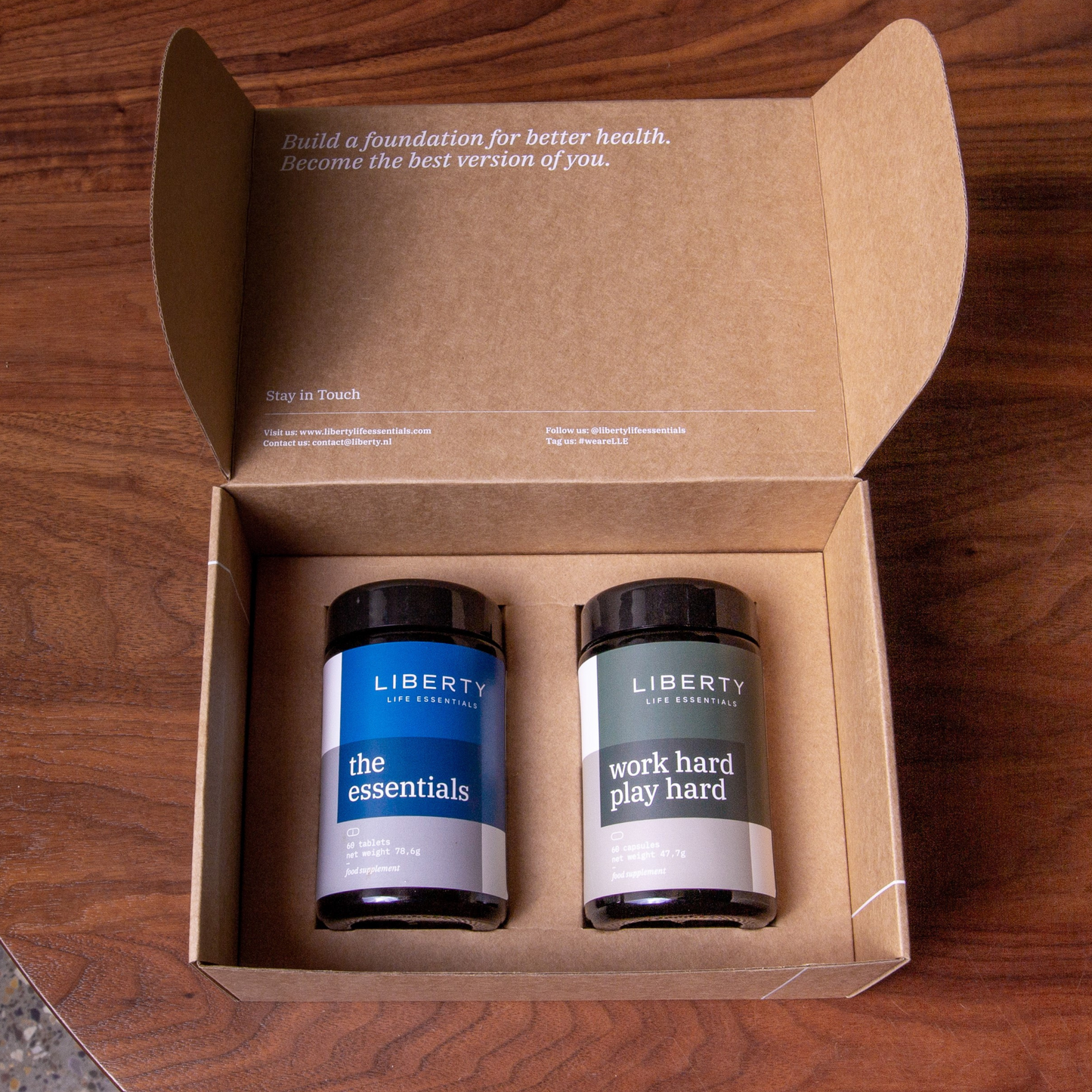
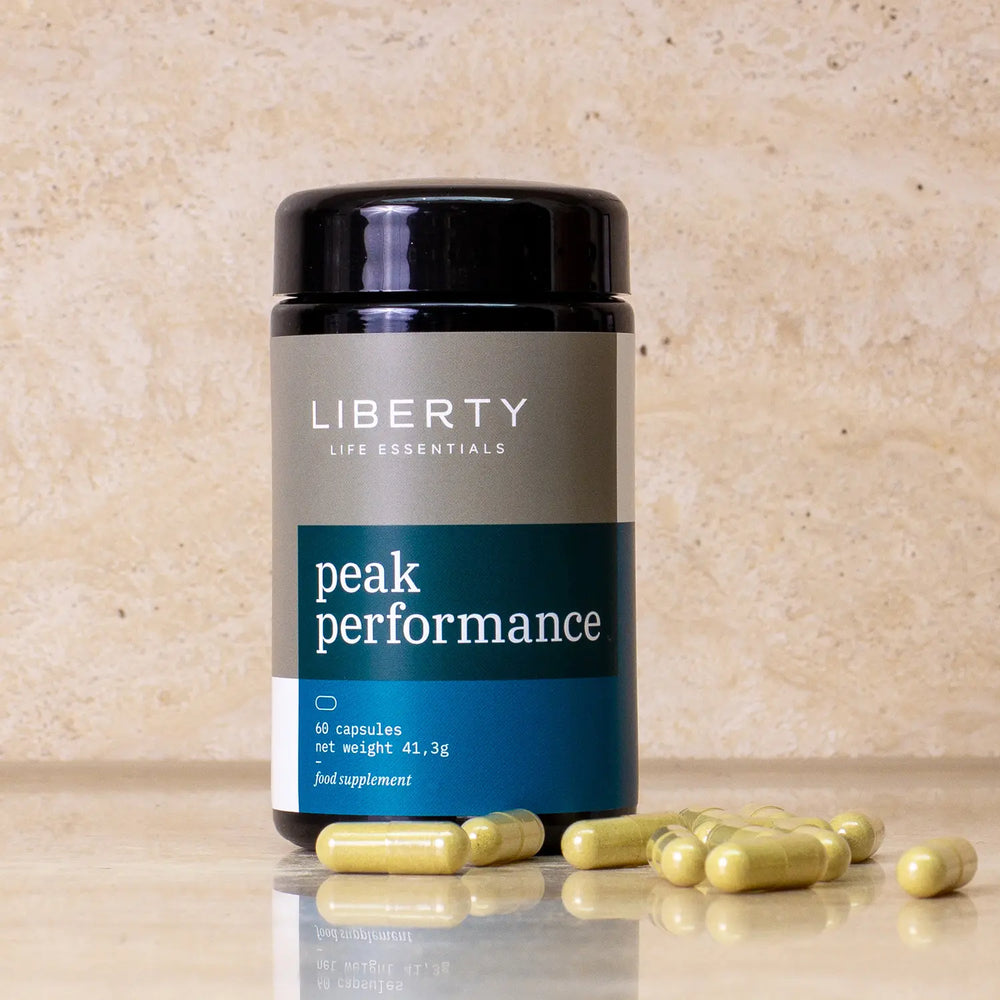
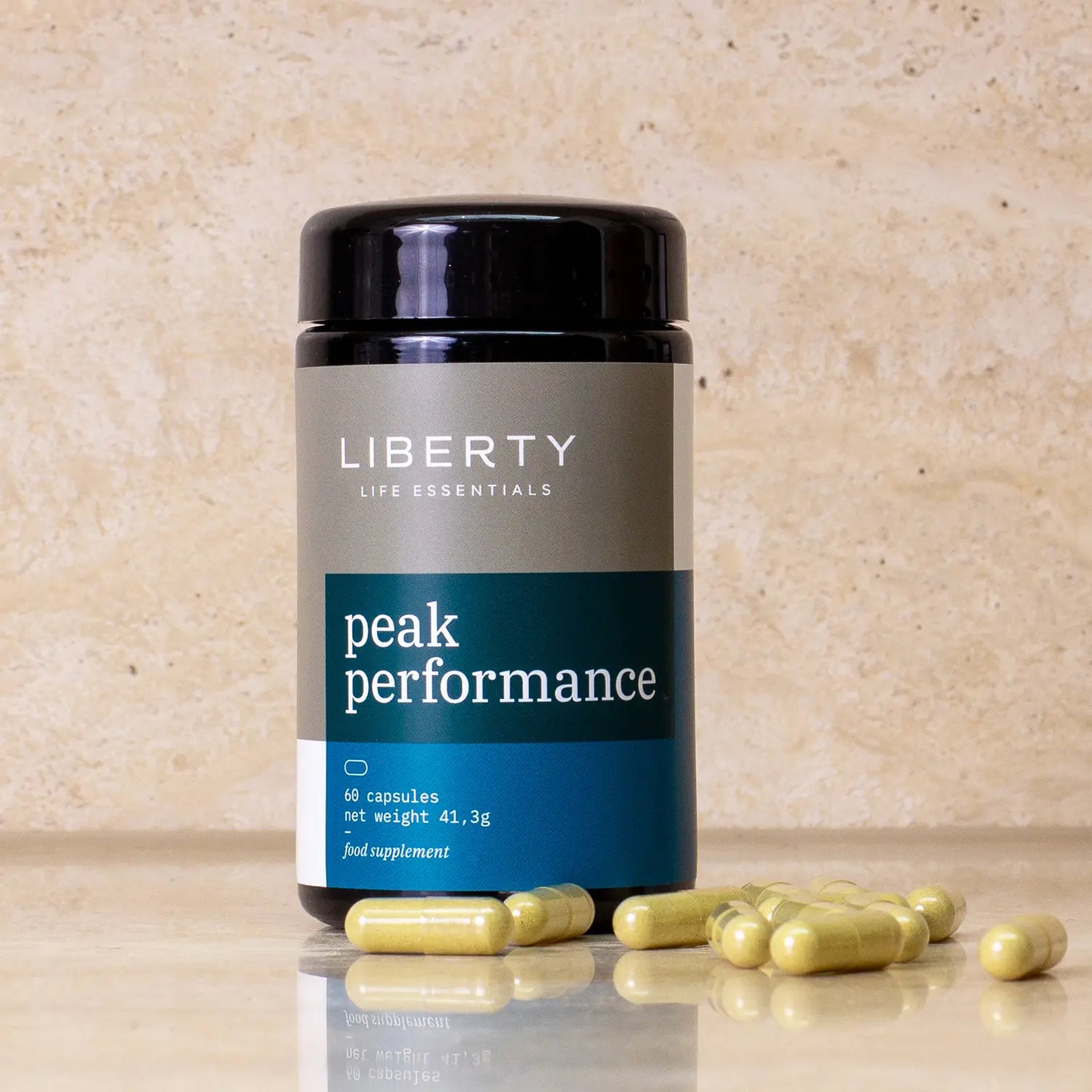
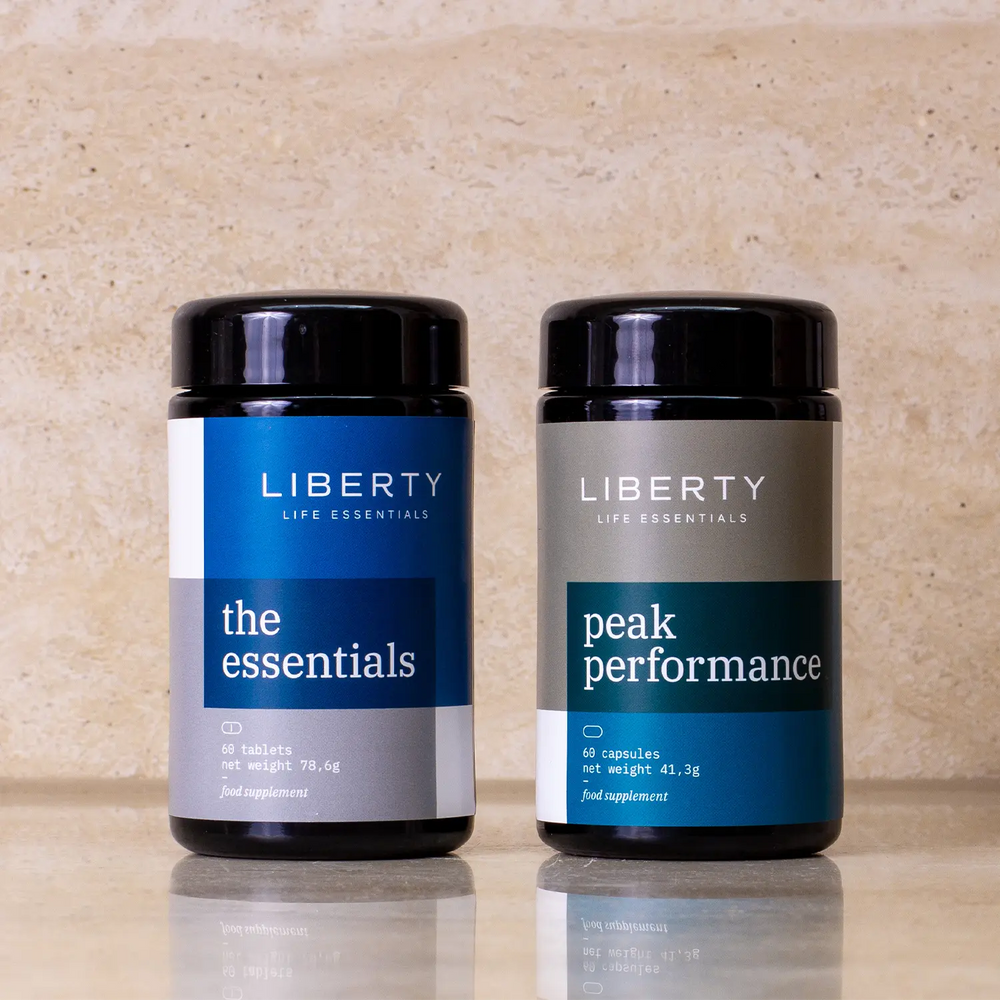
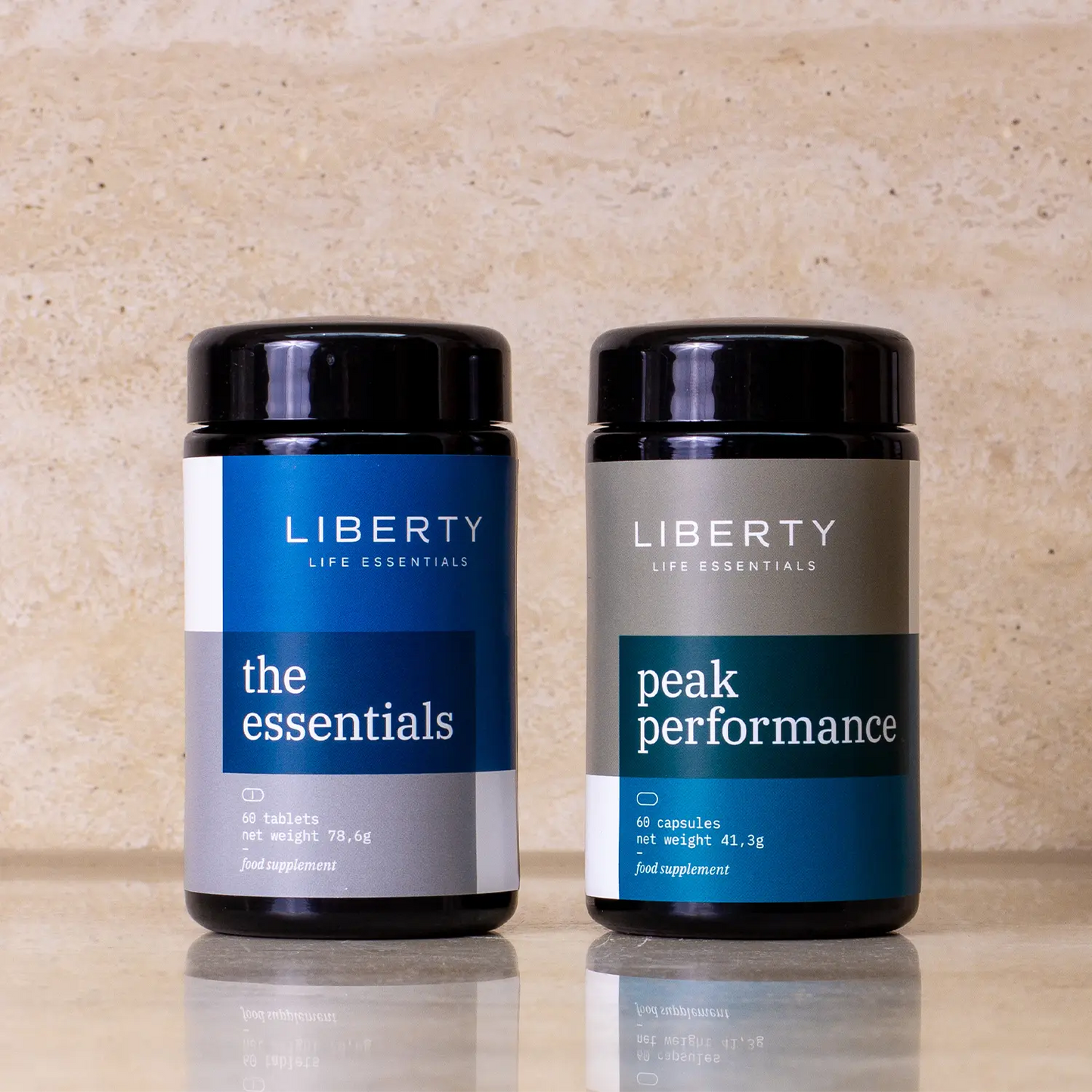
Our folate can be found in:




References
- NIH Office of Dietary Supplements. Folate: Health Professional Fact Sheet.
- Lamers Y et al. Red blood cell folate concentrations increase more after supplementation with (6S)-5-methyltetrahydrofolate than with folic acid.
- Nafrialdi et al. Pharmacokinetic study comparing 5-MTHF product vs folic acid (reports higher 5-MTHF exposure and lower UMFA vs folic acid).
- Pfeiffer CM et al. Unmetabolized folic acid is detected in nearly all serum samples from US children, adolescents, and adults.
- Cochrane KM et al. Human milk unmetabolized folic acid is increased following folic acid vs (6S)-5-methyltetrahydrofolic acid.
- Almohanna HM et al. The Role of Vitamins and Minerals in Hair Loss: A Review.
- Durga J et al. Effect of 3-year folic acid supplementation on cognitive function.
- Schisterman EF et al. Effect of folic acid and zinc supplementation in men on semen quality and live birth: randomized clinical trial.
- Li X et al. Effects of folic acid and folic acid plus zinc supplementation on sperm characteristics: systematic review and meta-analysis.
- Michaelsen MP et al. The Effect of Dietary Supplements on Male Infertility: systematic review.
- Carboni L et al. Active Folate Versus Folic Acid: the role of 5-MTHF and genetic conversion differences.
- Liberty Life Essentials. A Brief Guide To Preventing Hair Loss.
- Liberty Life Essentials. The Andropause (Male Menopause): Symptoms, Tips & Supplements.
- FDA. Folate and folic acid on Nutrition and Supplement Facts labels.
- Liberty Life Essentials. Peak Performance Nutritional Information (folate amount per daily serving).
- Regulation (EU) No 1169/2011, Annex XIII, nutrient reference value for folic acid (200 µg).
- EFSA Panel on Nutrition. Scientific opinion on the tolerable upper intake level for folate (retains UL 1000 µg/day for adults for folic acid).
- RIVM. Masking of vitamin B12 deficiency associated neuropathy by folic acid.