






Ashwagandha: Key takeaways
- The supplement Ashawagandha is the powdered root of a plant with the same name.
- Ashwagandha is an adaptogen, a herbal supplement which primary function is to reduce physcical and mental stress.
-
Ashwagandha can potentially:
reduce stress and anxiety;
enhance focus and memory;
balance hormone levels;
promote sexual health and fertility;
improve athletic performance and recovery. - Ashwagandha is part of the nightshade plant family, which also includes tomatoes, aubergines, potatoes and more. The leaves of which could cause stomach and/or liver issues.
- While the active ingredient in ashawagandha supplements is the root, poor quality products might include the plant's leaves. Therefore, never choose a non-patented/non-branded ashwagandha, as this gives less guarantee of product purity.
- The WHO considers ashwagandha supplements safe below a daily dosage of 500 mg.
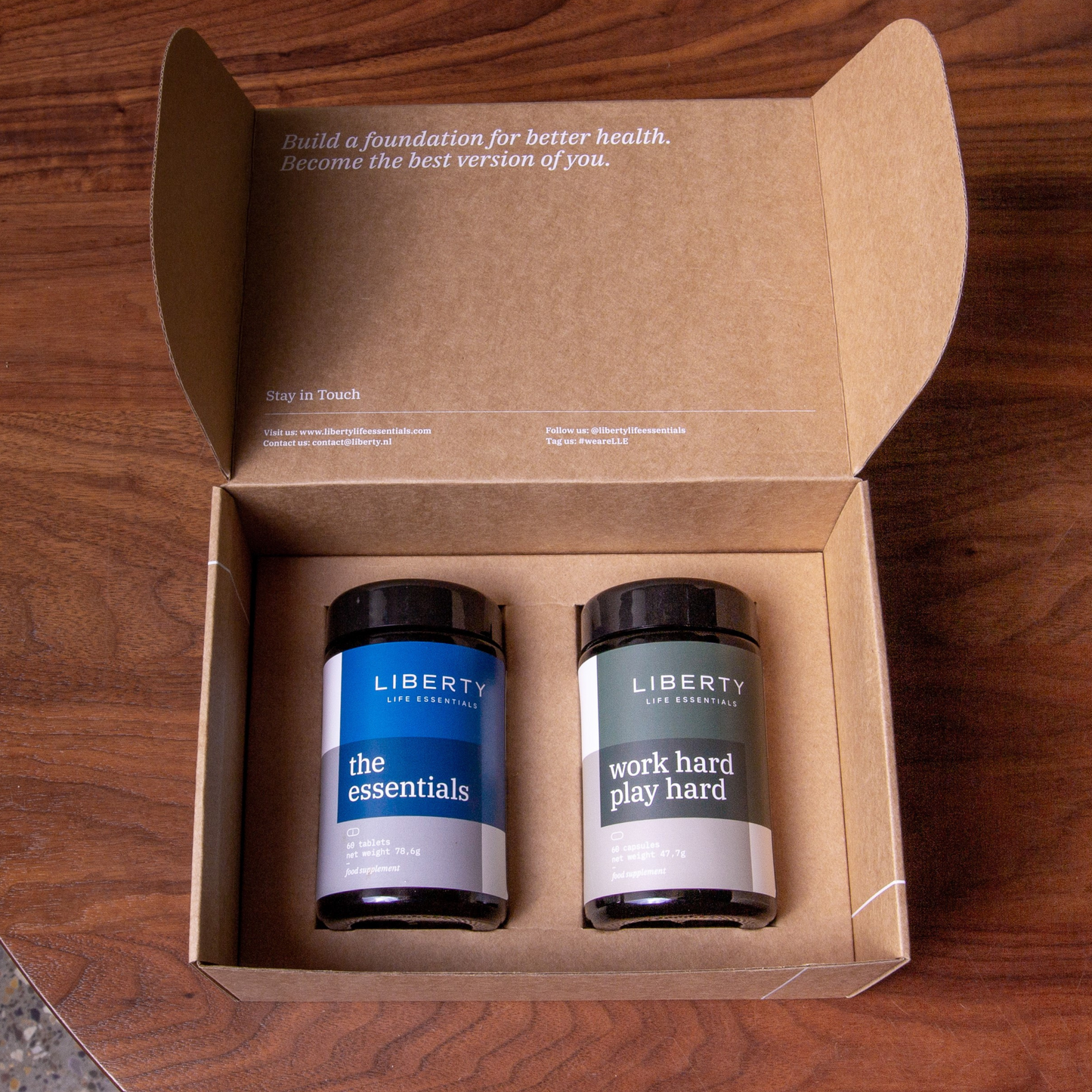
- Liberty uses a patented form of KSM-66® aswagandha, which is commonly known as having the highest bio-availability and the most scientific reasearch backing.


What is ashwagandha?
Also known by its scientific name, Withania somnifera, ashwagandha is considered an adaptogen, typically a herb, root or mushroom, that helps the mind and body adapt to stress by balancing and regulating physiological functions. It is a small shrub native to parts of India, the Middle East and North Africa, and has been used for centuries in Ayurvedic traditions as a “rasayana”, a category of plants associated with vitality, resilience and healthy ageing. Traditionally, the root has been the primary part used, prepared as powders, decoctions or tonics and taken to support strength, stamina, sleep and overall balance during demanding periods. Today, ashwagandha remains one of the most widely used Ayurvedic herbs worldwide, most often consumed as a standardized root extract in capsules or powders.
Benefits
- Reduce stress and anxiety
- Enhance focus and memory
- Balance hormone levels
- Promote sexual health and fertility
- Improve athletic performance and recovery
Reduce stress and anxiety
Ashwagandha is best known for its potential to reduce stress and support anxiety relief. As an adaptogen, it helps the mind and body adapt to stress by balancing key physiological functions, including the body’s stress mediators, which can promote a calmer state.
Several studies [5] [6] support this: an 8 week trial (58 participants) found lower stress and cortisol, a 60 day trial (60 participants) reported reduced anxiety, and a systematic review [11] of 7 studies observed cortisol reductions of 11% to 32.63%.
Enhance focus and memory
Ashwagandha may support cognitive performance, including focus and memory, which can be especially relevant for high performers balancing a demanding career, family and an active social life.
Studies [1] [6] in healthy humans and animals have reported improvements in concentration and memory, mental arithmetic ability, sensorimotor functions and reaction time. An independent study [8] also linked ashwagandha to improved cognition in patients with early dementia or bipolar disorder.
Balance hormone levels
Hormones play a key role in growth, reproduction and overall well-being. In men, testosterone supports red blood cell and sperm production, muscle and bone mass, fat distribution and strength, but levels typically start to decline from around age 40.
In studies in middle-aged men [8] [9] [10], daily ashwagandha supplementation has been associated with more balanced testosterone levels, which may indirectly support muscle mass, bone density, mood, energy and libido. In one study [8] of healthy but overweight men aged 40–70, 8 weeks of ashwagandha supplementation was linked to 15% higher salivary hormone levels and 18% higher DHEA-S (important for hormone production).
These findings may be especially relevant for high performers in midlife who want to maintain strength, vitality and performance.
Read all you need to know about testosterone and the male menopause in our Health Guide. [17]
Promote sexual health and fertility
Studies [9] [10] have linked ashwagandha to improved male fertility markers, including higher sperm count and sperm concentration. Its potential effects on blood circulation and its traditional use for infertility have shown promising results.
One study [9] reported that ashwagandha root extract improved male fertility, with increases in sperm concentration, ejaculate volume and motile sperm count, while further independent studies are ongoing to confirm these findings.
Improve athletic performance and recovery
Ashwagandha is gaining postive attention for physical performance, as it may support athletic capacity and speed up muscle recovery, making it popular among fitness enthusiasts.
A comprehensive review [10] found it improved measures of strength and power, cardiorespiratory fitness, and fatigue and recovery in healthy men and women, especially those doing regular training or high-intensity exercise, with the probability of improvement reported as over 95%.
Recommended dosage
- Dose limit: Ashwagandha is generally considered safe by the WHO when kept below 500 mg/day.
- Most studies use 200–600 mg/day of standardized ashwagandha for 6–12 weeks.
- Be cautious with 1,000 mg/day or more, especially if taken for 8+ weeks, because longer-term high-dose safety data is limited.
- Liberty uses 250–300 mg/day, a conservative dose considered safe while still supporting brain functions.
Safety & interactions
- Stomach discomfort: Some people report an upset stomach, especially at higher doses or with lower-quality products.
- Liver issues: Rare stomach or liver complaints have been reported, potentially linked to dosage (over 1000mg/day), user sensitivity, or poor quality ashwagandha.
- Nightshade sensitivity: As a nightshade plant, contamination with leaf material (instead of root-only) may irritate the stomach or liver.
- Quality matters: Lower-quality extraction and processing can increase the chance of unwanted plant parts ending up in the supplement.
- Dose limit: Ashwagandha is generally considered safe by the WHO when kept below 500 mg per day.
- Pregnancy and breastfeeding: Avoid ashwagandha during pregnancy or breastfeeding.
- Possible emotional numbness: Some users report feeling emotionally “flat,” although this is not confirmed by scientific studies; it may relate to high intake.
- When to seek medical advice: If you experience stomach or liver symptoms, especially with longer-term use, contact your doctor.
KSM-66® Ashwagandha
- Root-only extract: KSM-66® is a full-spectrum ashwagandha extract made from the root only, avoiding leaf material.
- Strict manufacturing practices: It is produced with controlled growing and processing standards, using selected high-quality roots and careful extraction methods.
- Highly researched: KSM-66® has been evaluated in 50+ clinical trials, making it the most clinically studied ashwagandha extracts available.
- Trusted in research: Major research summaries (including the NIH ODS fact sheet [13]) reference KSM-66 as a commonly used root extract in human studies.
Is ashwagandha safe to take every day?
For most healthy adults, daily use within a conservative dose range (200-300mg/day) is generally well tolerated, but long-term data is limited and you should stop if you notice side effects.
When should I take ashwagandha, and how long until I notice effects?
Many people take it in the evening for relaxation and sleep support or split the dose morning and evening; noticeable effects often build over 2 to 8 weeks rather than feeling instant.
Who should avoid ashwagandha or check with a doctor first?
Avoid it during pregnancy and breastfeeding, and check with a doctor if you have thyroid issues, liver conditions, autoimmune disease, or if you use medications that affect sleep/sedation, anxiety, blood sugar, blood pressure, or thyroid hormones.
How do I choose a high-quality ashwagandha supplement?
Look for a standardized extract, transparent labeling (dose + withanolide standardization), third-party testing, and a reputable root-only source such as KSM-66.
What is the difference between ashwagandha that mentions "root-only" versus general extracts?
Root-only extracts are typically preferred because the research and traditional use focus on the root, while the leaves and other parts of the plant may increase the chance of stomach upset in sensitive people.
Can I combine ashwagandha with caffeine or other nootropics?
Yes, many people stack it with caffeine or nootropics, but start low because combining stimulants with calming adaptogens can feel “too flat” for some.
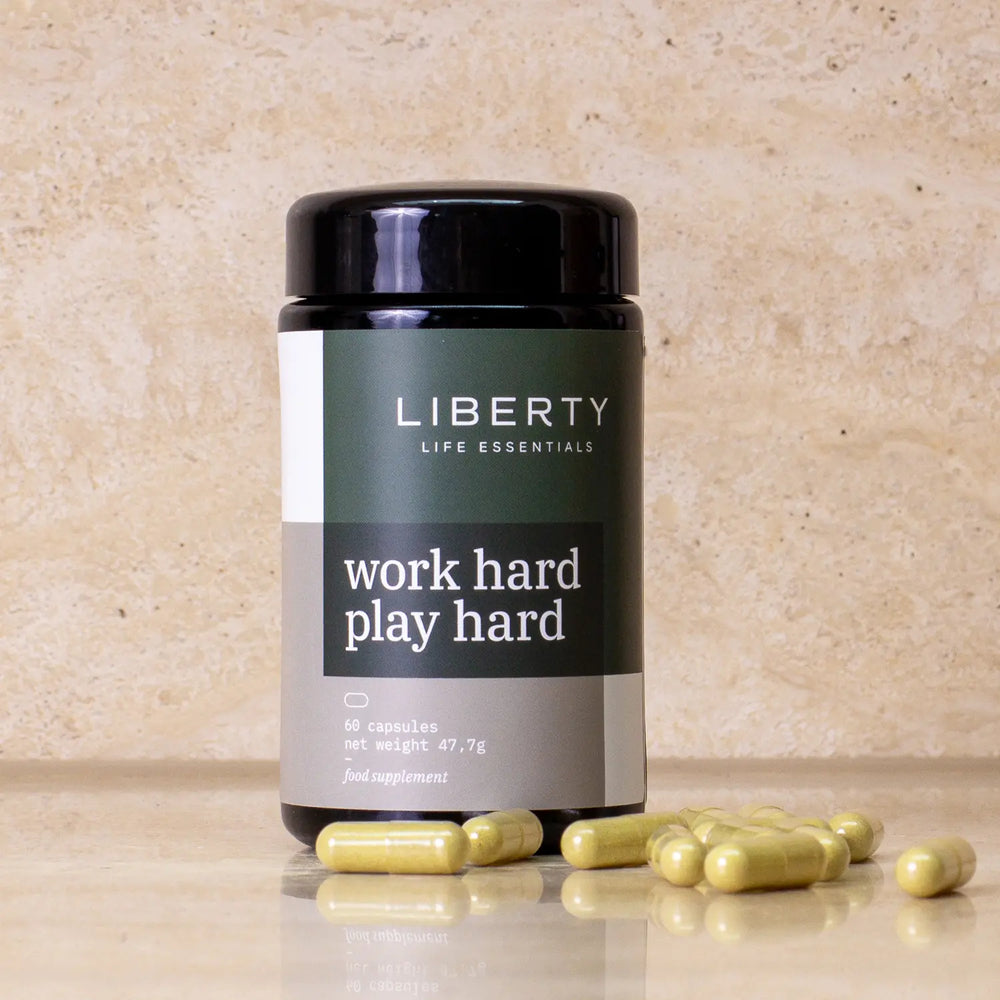
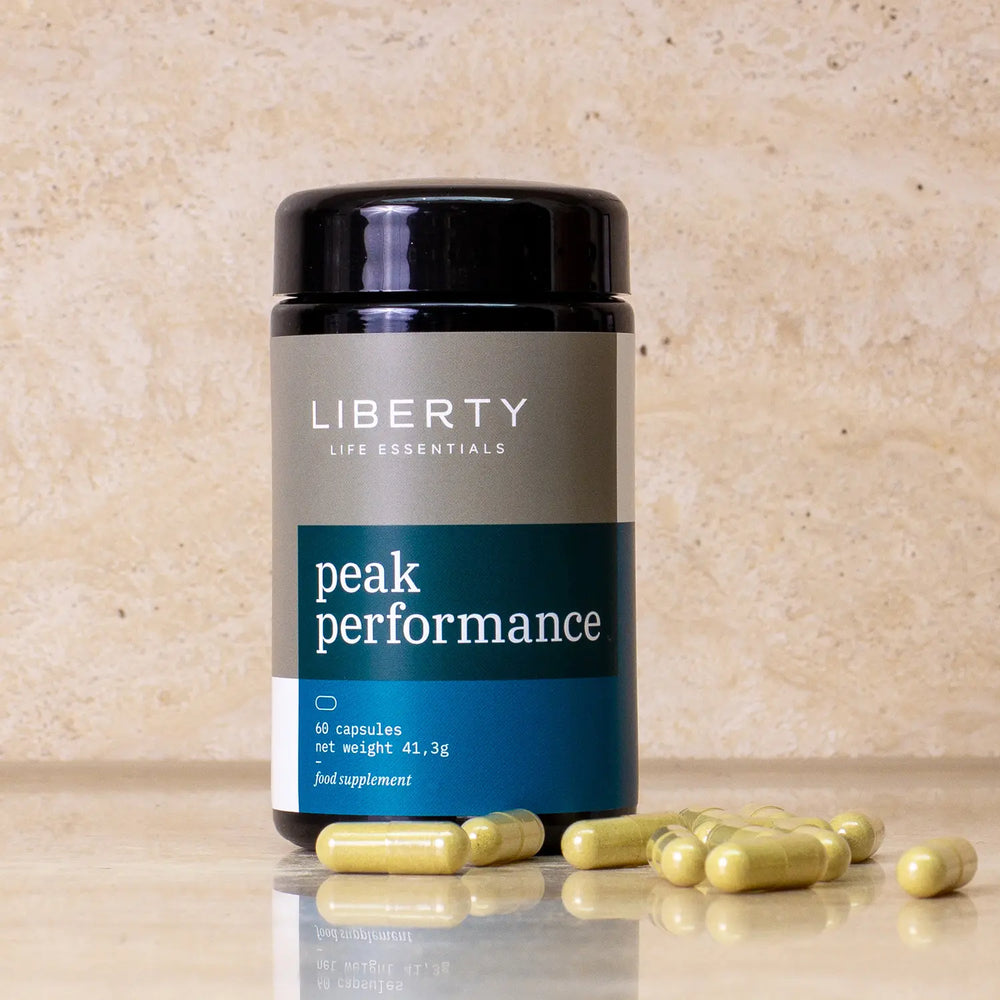
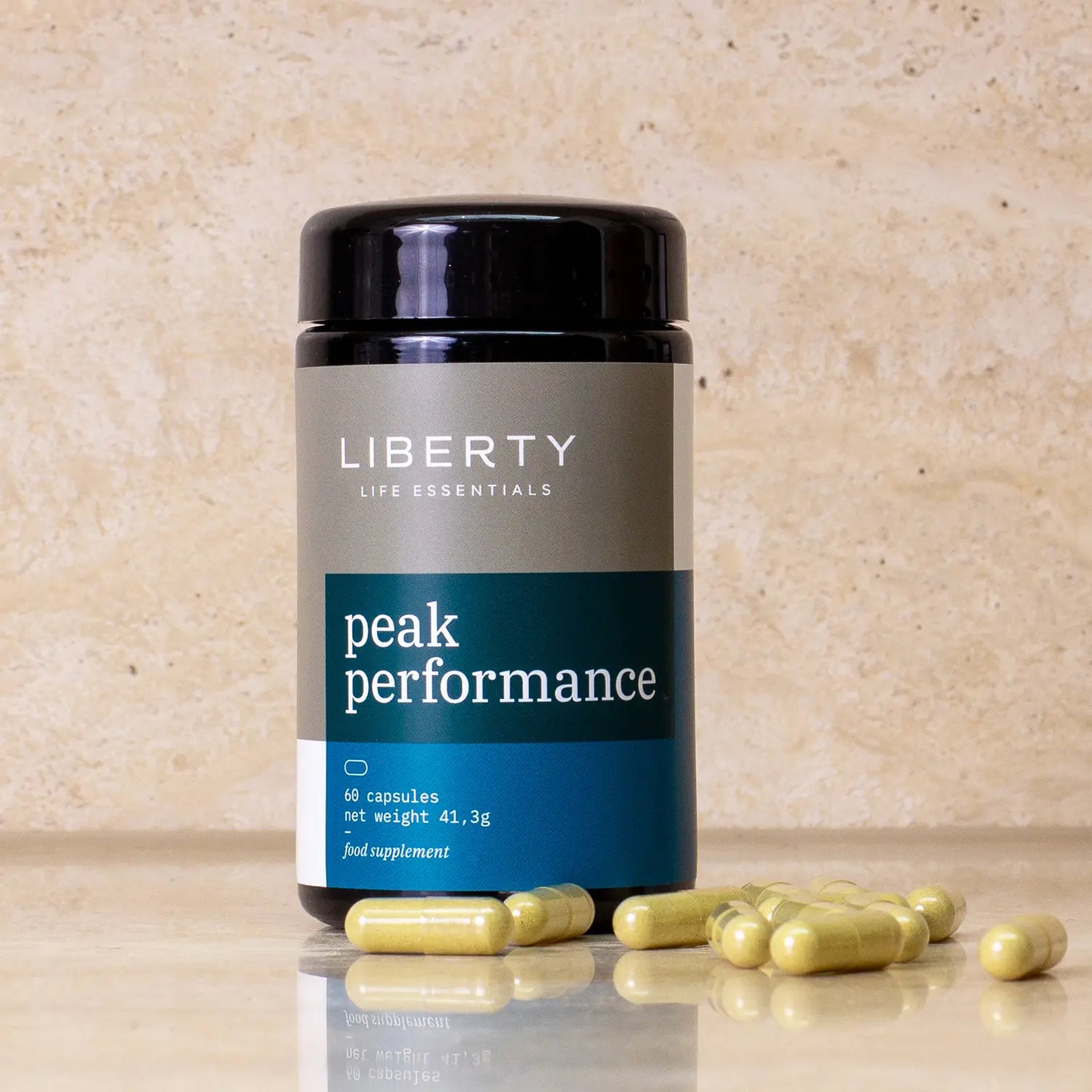
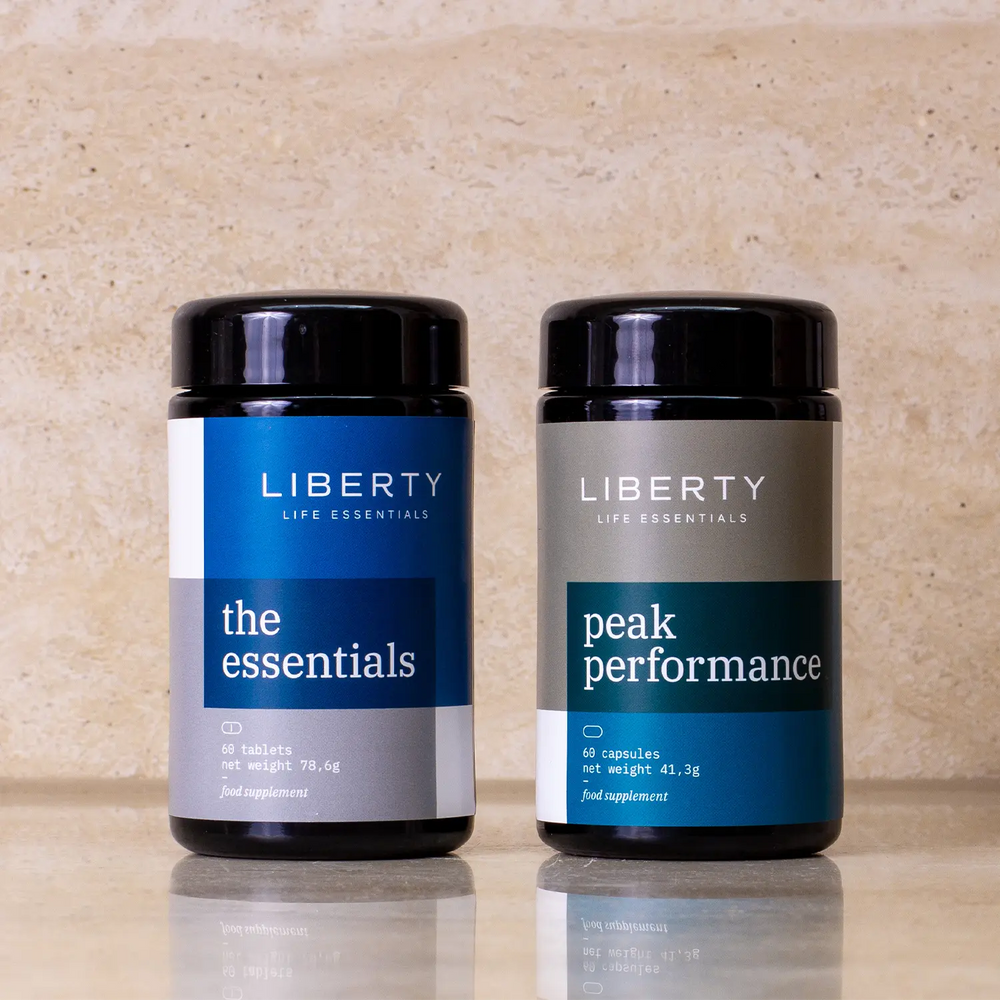
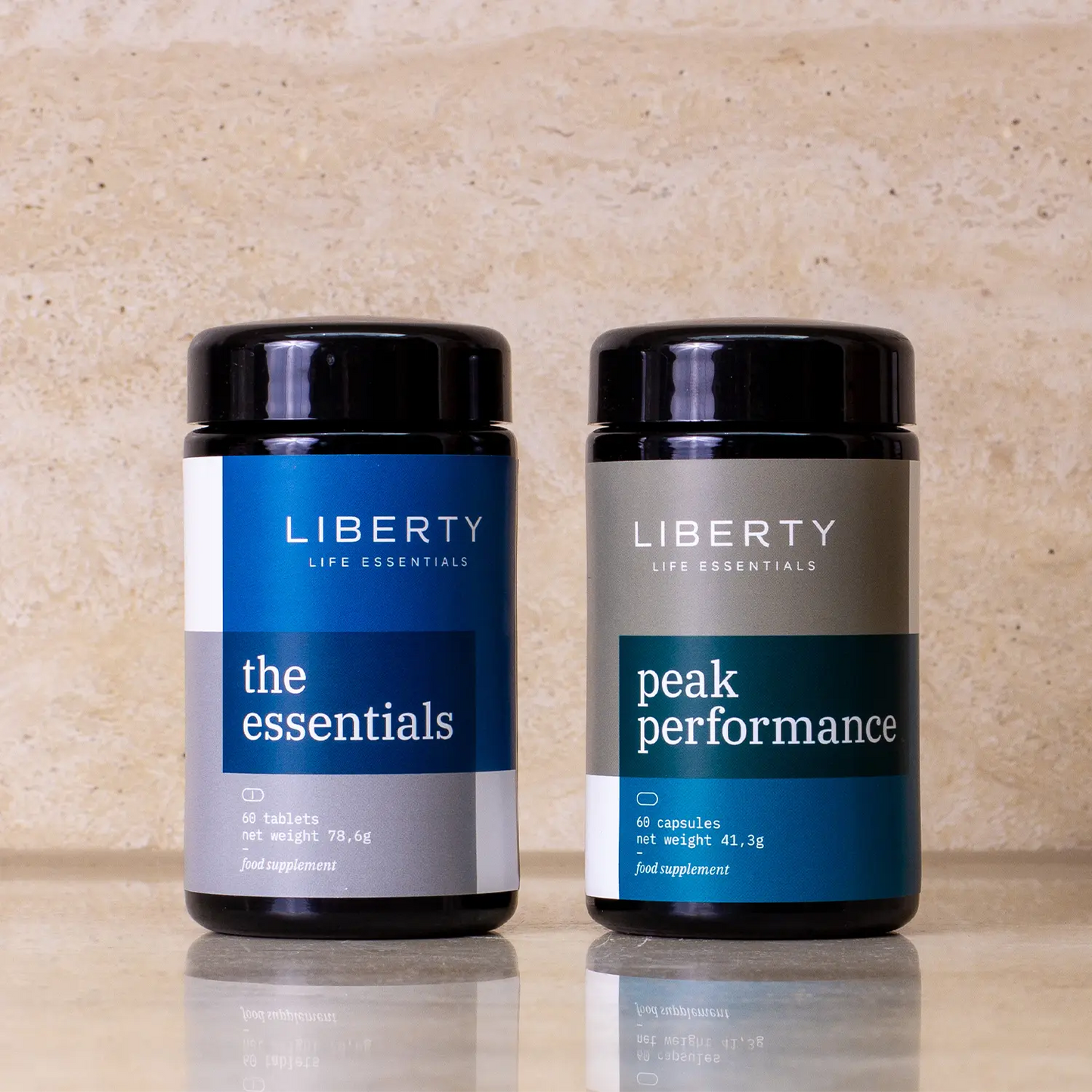
Our ashwagandha can be found in:









References
- WebMD - Ashwagandha - Uses, Side Effects, and More
- LAREB - Reports of side effects ashwagandha in The Netherlands
- EMA - Withaniae somniferae radix
- World Health Organisation - WHO monographs on selected medicinal plants
- Healthline - Health Benefits of Ashwagandha, Based on Research
- Xing, D. et al. - Effects of Acute Ashwagandha Ingestion on Cognitive Function
- Wikipedi - Nightshade plant-family
- Lopresti, A. et al. - A Randomized, Double-Blind, Placebo-Controlled, Crossover Study Examining the Hormonal and Vitality Effects of Ashwagandha (Withania somnifera) in Aging, Overweight Males
- Ambiye, V. et al. - Clinical Evaluation of the Spermatogenic Activity of the Root Extract of Ashwagandha (Withania somnifera) in Oligospermic Males: A Pilot Study
- Bonilla, D. et al. - Effects of Ashwagandha (Withania somnifera) on Physical Performance: Systematic Review and Bayesian Meta-Analysis
- Della Porta, M. et al. - Effects of Withania somnifera on Cortisol Levels in Stressed Human Subjects: A Systematic Review
- Piers, O. - Ashwagandha explained: Benefits and risks
- National Institute of Health Fact Sheets - Ashwagandha: Is it helpful for stress, anxiety, or sleep?