






Bacopa (brahmi): Key takeaways
- Bacopa, also known as bacopa monnieri, brahmi or water hyssop, is a herb used in Ayurveda for centuries to support learning, memory, and mental clarity.
- Modern human studies suggest Bacopa can support memory, attention, and cognitive processing, especially when taken consistently for 8–12 weeks.
- Bacopa is also studied for stress resilience and mood support, which may be helpful during mentally demanding periods.
- Although considered safe by health authorities, the most common side effects are gastrointestinal (for example nausea, cramps, increased stool frequency).
- Bacopa may interact with thyroid medication (and possibly other medications), so check with your doctor if you use prescription meds.
- Liberty uses a patented form of Bacopin® bacopa, which is commonly known as having the highest bio-availability and the most scientific reasearch backing.


What is bacopa (brahmi)?
Bacopa monnieri, also known as brahmi or water hyssop, is a small, creeping herb that has been used for centuries in Ayurveda as a traditional “brain tonic”. Historically, Brahmi was taken to support learning, memory, and a calm, steady mind, which is why it remains popular with people who want mental clarity without feeling overstimulated.
Bacopa is typically used as a daily routine ingredient, since many of its studied effects appear to build gradually with consistent intake over several weeks. This slow, consistent effect is part of why Bacopa became popular among people who needed sustained cognitive support, from students to professionals, without the peaks and crashes that can come with stimulants such as caffeine. Today, Bacopa remains a widely used botanical in modern wellness, especially in routines focused on focus, memory, and long-term brain support. [8]
Benefits
- Improve concentration and focus
- Support memory and brain functions
- Support brain development
- Support stress resilience
- Support mood
Improve concentration and focus
Human randomized controlled trials and meta-analyses suggest Bacopa monnieri can support attention, especially processing speed and the ability to stay focused, when taken consistently on a daily basis. [1] [3]
A 12-week randomized trial also reported improvements in attention and working memory, which are key for sustained concentration during mentally demanding work. [3]
Support memory and brain functions
Across several randomized controlled trials, Bacopa monnieri shows its strongest and most consistent evidence in memory outcomes, including learning and recall of new information. [2] [4]
In a 12-week double-blind, placebo-controlled study in older adults, a standardized Bacopa extract was linked to improvements across several cognitive measures, supporting broader brain function beyond memory alone. [4]
Support brain development
Bacopa has also been studied in children and adolescents, with a systematic review reporting improvements in measures such as memory span and verbal and visual memory. [5]
Although the evidence base is smaller than in adults, the available data suggests Bacopa may support cognitive functions that are relevant for learning during developmental years. [5]
Support stress resilience
Controlled clinical research suggests Bacopa may support a healthier response to stress, with some trials showing improvements in stress-related measures and wellbeing scores in adults after daily supplementation. [6] [7]
Preclinical studies also explore mechanisms linked to stress physiology, which helps explain how Bacopa might support resilience, although these findings are supportive rather than definitive for humans. [7]
Support mood
Some controlled human studies link Bacopa supplementation to improvements in mood-related outcomes and self-reported quality of life measures. [6]
In clinical research in older adults, Bacopa has also been evaluated for affect-related outcomes alongside cognition, suggesting it may support mood as part of broader cognitive and mental wellbeing support. [4]
Recommended dosage
- Most clinical studies use Bacopa daily for 8–12 weeks, because effects tend to build with consistent use.
- Although use cases longer than 12 weeks are anecdotal, Bacopa is generally considered safe to use for longer periods.
- Many standardized extracts are dosed around 300 mg/day of a 10% bacosides extract, which effectively means 30mg of the active compound bacosides.
- Liberty uses 150 mg/day of a 40% bacosides extract (Bacopin®), which effectively means 60mg of the active compound bacosides. This is considered a high-potency extract.
- If you are sensitive, start lower, take it with food, and assess tolerance for 1–2 weeks before committing long term.
Safety & interactions
- Digestive side effects: Although rare, the most common complaints are nausea, abdominal cramps, and increased stool frequency.
- Thyroid interaction: Bacopa may influence thyroid hormone activity, so extra caution is advised if you use thyroid medication.
- Dose limit: Bacopa is generally considered safe when kept below 600 mg/day.
- Medication check: If you use prescription medication (especially for thyroid, mood, or cognition), check with your doctor before taking Bacopa.
Bacopin® Brahmi
- High potency: Bacopin® is branded Bacopa (Brahmi) extract available in exceptionally high standardized grades, including 40% bacosides.
- Consistency and traceability: As a branded ingredient, Bacopin® is produced to deliver a consistent bacoside level compared to generic Bacopa powders.
- Supported by scientific research: Bacopin® is supported by 6 clinical trials, as well as used in 30+ independent scientific studies.
Is Bacopa (Brahmi) a stimulant?
Bacopa is not a stimulant like caffeine; it is better described as a cumulative cognitive support ingredient, meaning results are typically linked to consistent daily use rather than an immediate “kick.”
How do I know if a Bacopa (Brahmi) product is high quality?
Look for a standardized bacoside percentage, clear labeling of extract type, and quality controls (batch testing and traceability), because generic Bacopa powders can vary widely in active compounds.
What are bacosides, and why does the percentage matter?
Bacosides are the best-studied active compounds in Bacopa, and a standardized percentage (for example 40%) helps ensure consistent potency and more predictable dosing across batches.
How do I calculate how many bacosides I’m getting per day?
Take the extract dose (mg) and multiply it by the standardization percentage (as a decimal). Example: 150 mg of a 40% extract = 150 × 0.40 = 60 mg bacosides per day. If your label lists bacosides in mg instead of a %, you can skip the calculation and use the stated mg value directly.
Should Bacopa (Brahmi) be taken with food or on an empty stomach?
Most people tolerate Bacopa better with a meal, because gastrointestinal effects (like nausea or cramping) are more likely when taken on an empty stomach.
Should I take Bacopa (Brahmi) in the morning or evening?
Morning works well if you want cognitive support during the day, while evening can suit people who experience a more calming effect; the key is taking it consistently at the same time.
Can I combine Bacopa (Brahmi) with caffeine, L-theanine, or other focus supplements?
Yes, Bacopa (Brahmi) stacks well with common focus, brain and calming supplements.
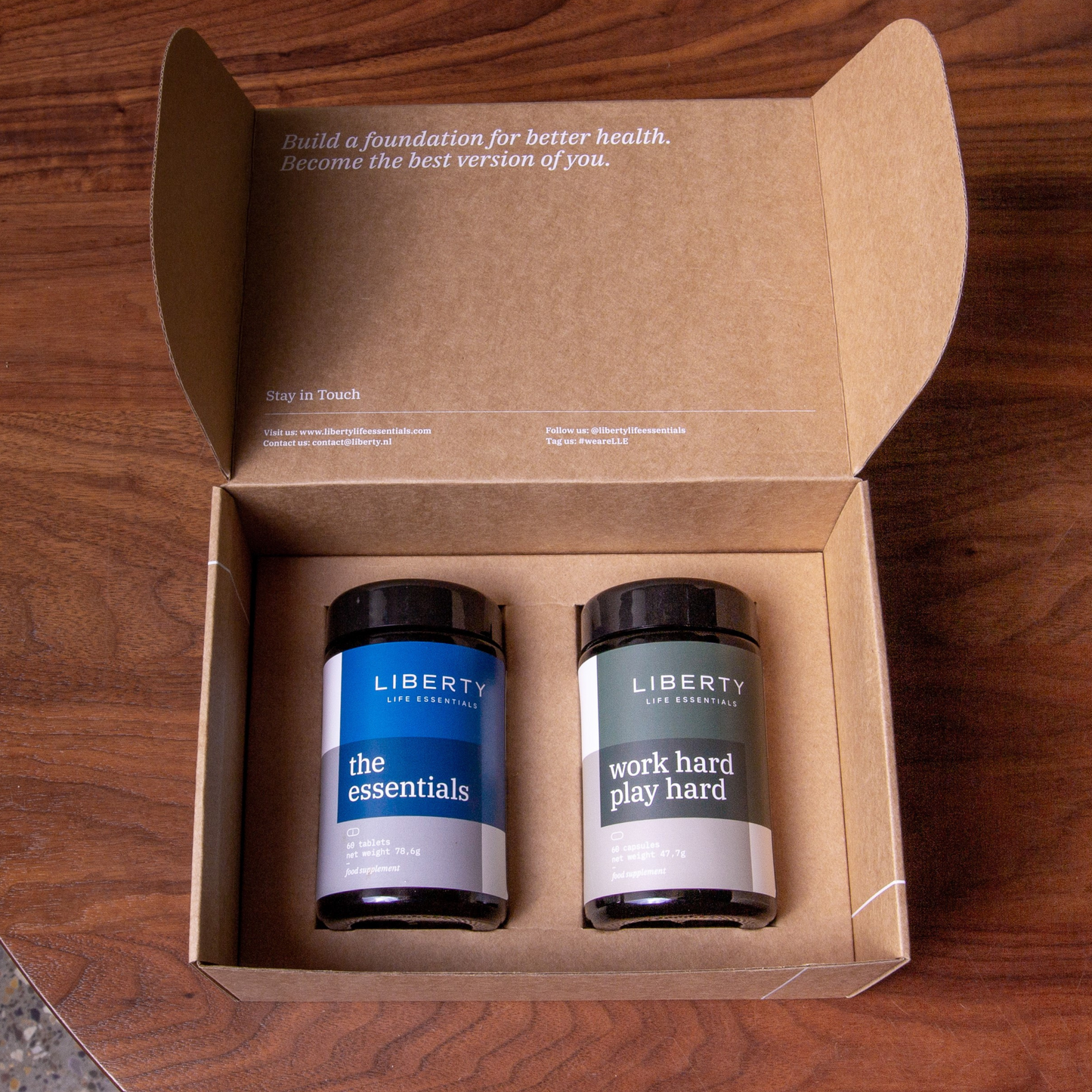
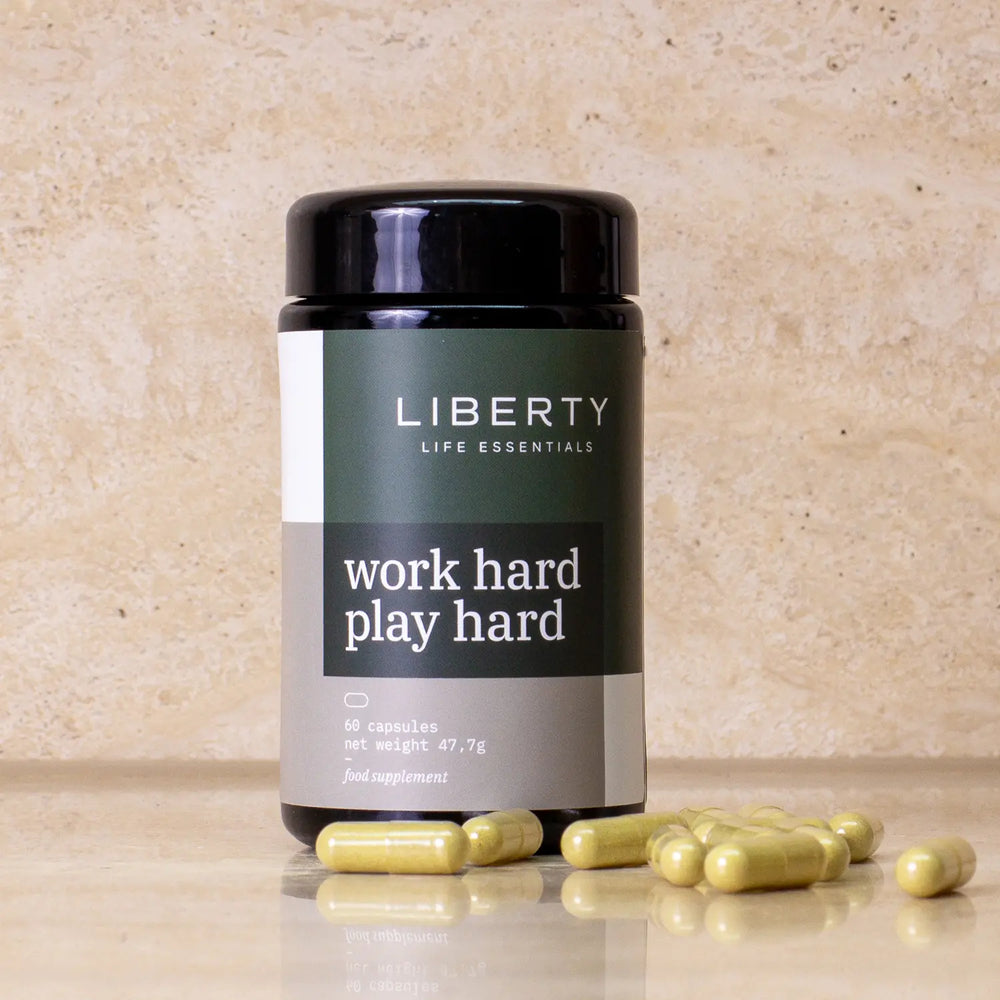
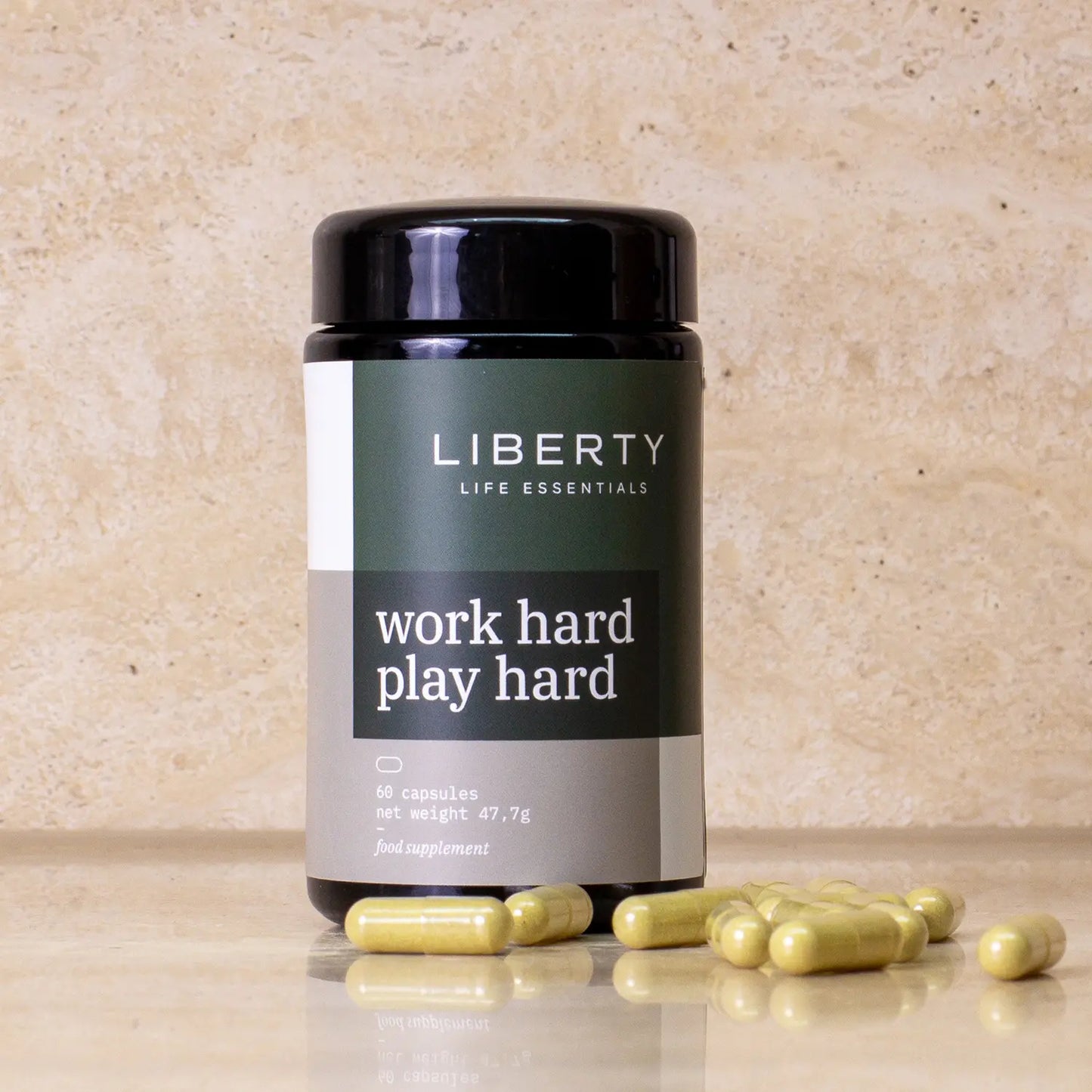
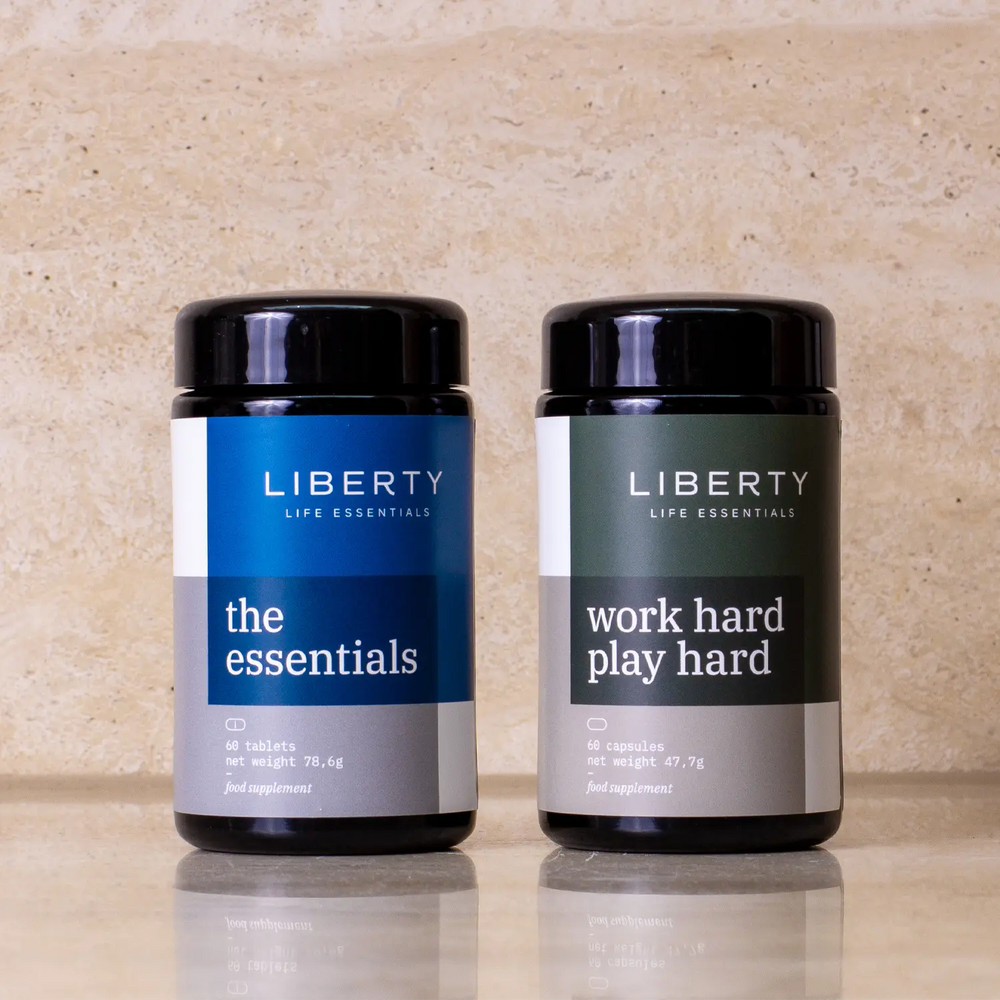
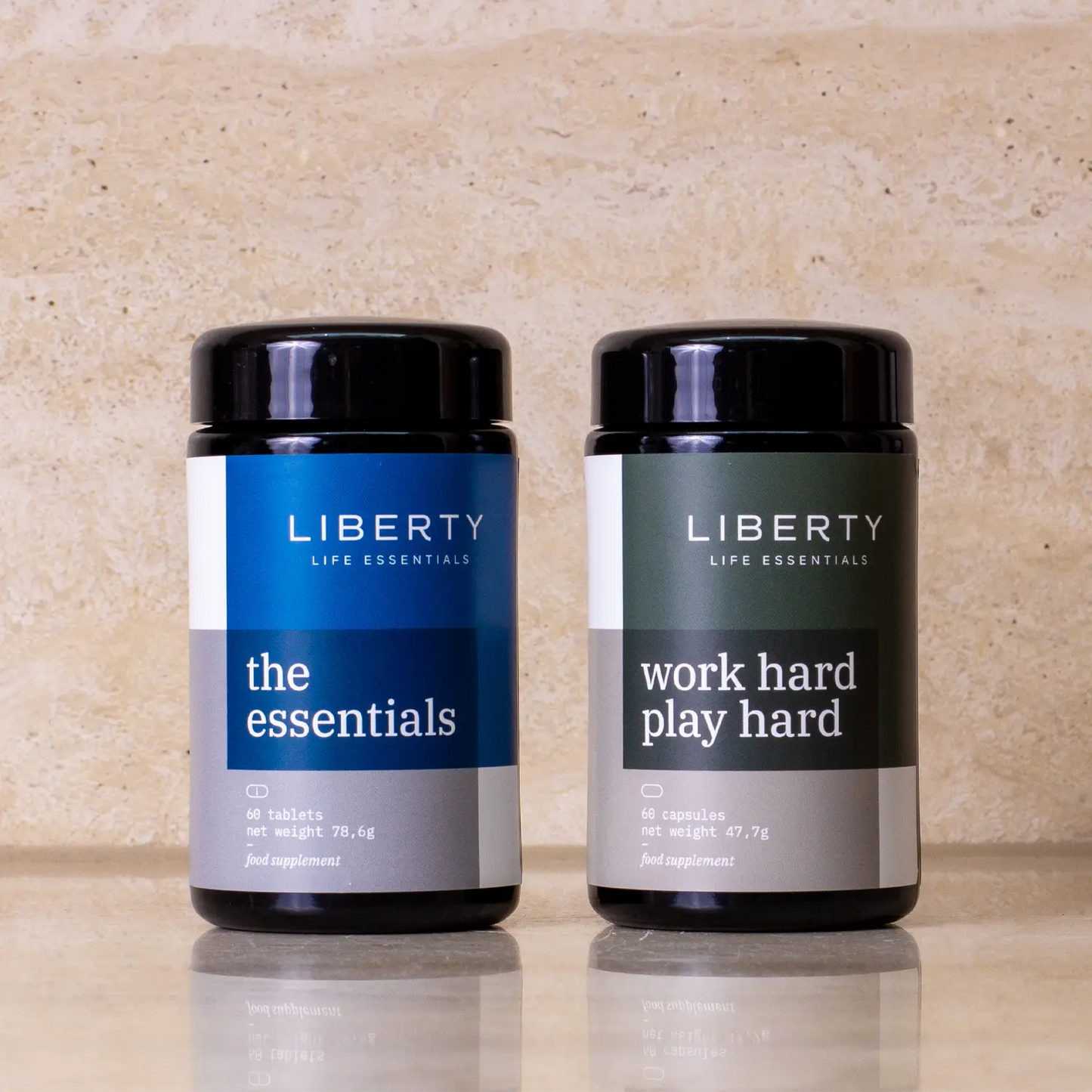
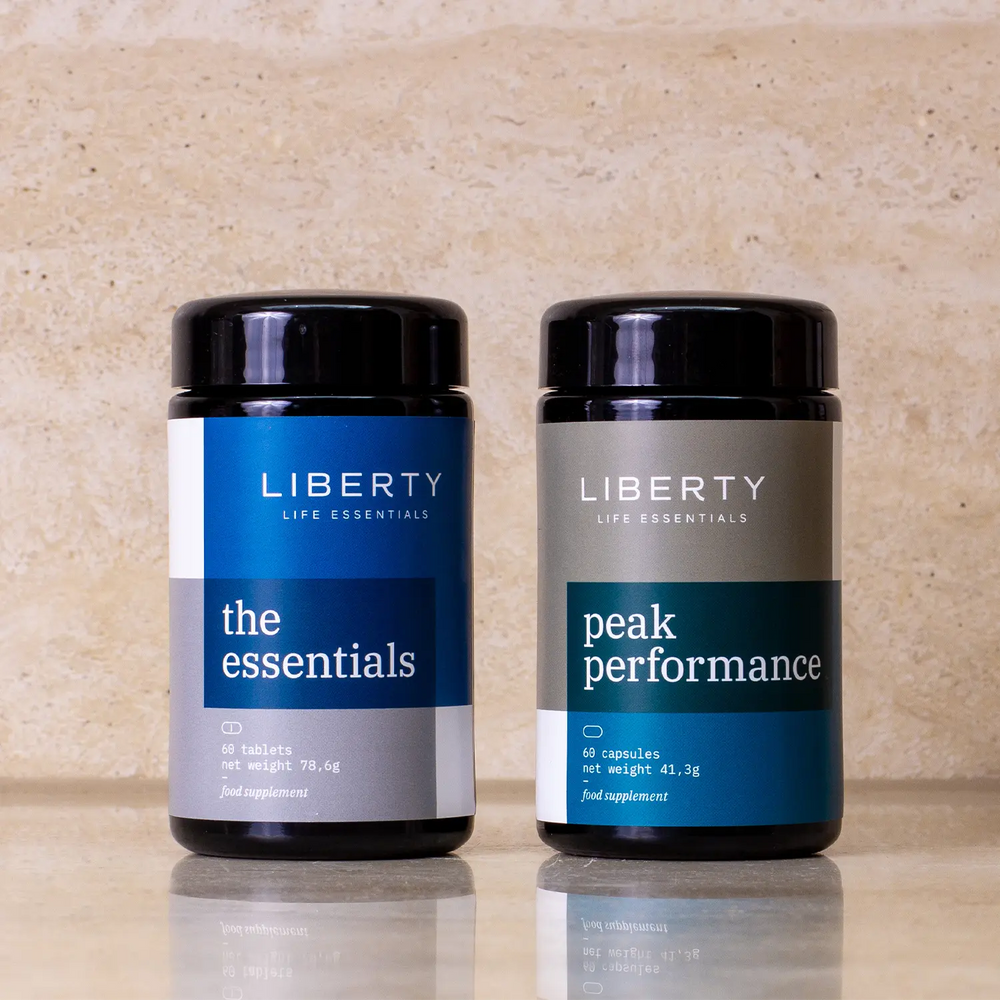
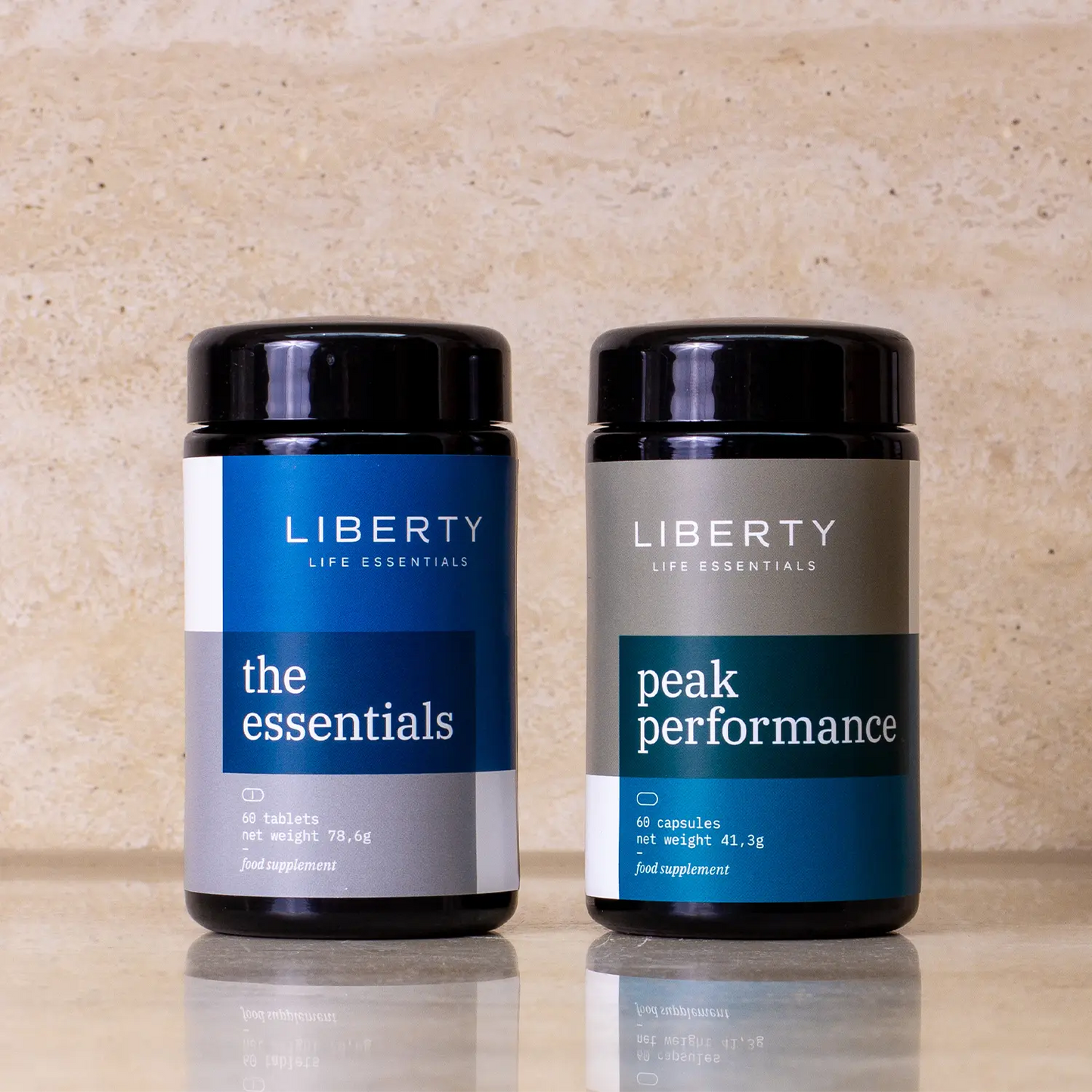
Our bacopa (brahmi) can be found in:










References
- Kongkeaw et al. - Meta-analysis of randomized controlled trials on cognitive effects of Bacopa monnieri extract.
- Pase et al. - The cognitive-enhancing effects of Bacopa monnieri: a systematic review of randomized, controlled human clinical trials.
- Peth-Nui et al. - Effects of 12-Week Bacopa monnieri Consumption on Attention, Cognitive Processing, and Working Memory.
- Calabrese et al. - Effects of a standardized Bacopa monnieri extract on cognitive performance, anxiety, and depression in the elderly: a randomized, double-blind, placebo-controlled trial.
- Kean et al. - A systematic review of the Ayurvedic medicinal herb Bacopa monnieri in children and adolescents.
- Lopresti et al. Effects of a Bacopa monnieri extract on wellbeing and related outcomes (RCT).
- Sivasangari et al. - Standardized Bacopa monnieri extract and stress-related outcomes in a preclinical model.
- Healthline - 7 Emerging Benefits of Bacopa monnieri (Brahmi)